







Legendary Brands. Serious Performance.
SEAT builds cars that beg to be driven hard, and the right upgrades make them feel even more alive. Whether you’re chasing sharper response, stronger braking or a more focused chassis, we’ve got options across the range. Choose your specific SEAT below and start planning the next phase of its evolution.
Fast Delivery & UK Stock
Epic Reward Points
0% RACE NOW, PAY LATER™
Expert Advice & Workshop
SEAT sits in a sweet spot for modifiers: everyday usable, but with a clear sporty streak that feels just a few choices away from being transformed. Owners are usually keen drivers who enjoy a bit of character and edge, so tweaking becomes part of expressing that personality. It’s less about chasing numbers and more about sharpening what’s already there.
SEATs also lend themselves to long-term projects; they’re practical enough to live with every day, yet engaging enough to justify incremental upgrades over time. Enthusiasts like the idea of evolving the car with their own taste, refining response, feel and style. The culture leans towards purposeful, well-judged changes that keep the original spirit but turn the volume up slightly.
SEAT owners love sharpening the already sporty factory look rather than shouting for attention. It’s all about tightening up the stance, tidying the lines and picking out the car’s natural creases so it looks more purposeful without going over the top. Subtle tweaks that make the car look like a more focused version of itself are the goal.
SEAT styling tends to lean towards clean, dynamic shapes with a bit of attitude, so visual mods usually build on that. People often aim for a lower, more planted profile, slightly bolder colour accents and a more assertive front end. The end result is a car that still feels practical and daily-friendly, but with a clear hint of track inspiration and personal taste.
Our SEAT-focused blog pieces explore engineering choices, tuning potential and ownership realities, offering grounded insight that helps you understand how and why different upgrades work together, and what they mean for long-term performance, reliability and everyday enjoyment.
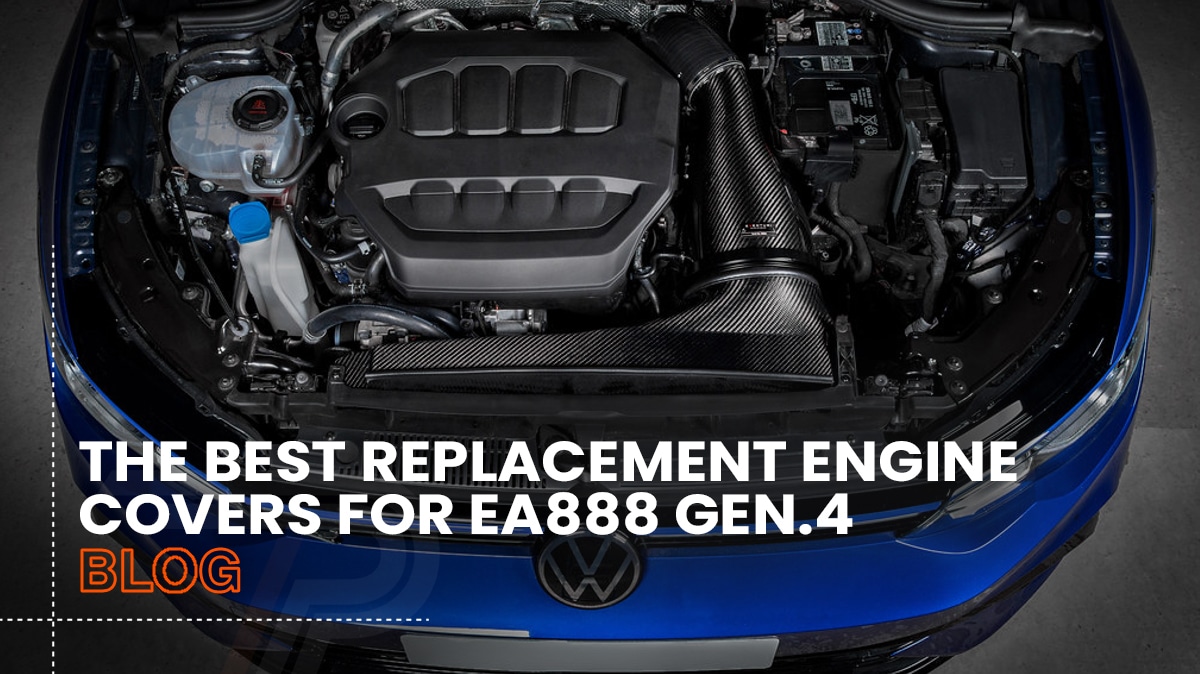
Engine Cover Meltdown – A Nightmare for EA888 Gen.4 Owners This factory’s original foam engine [...]
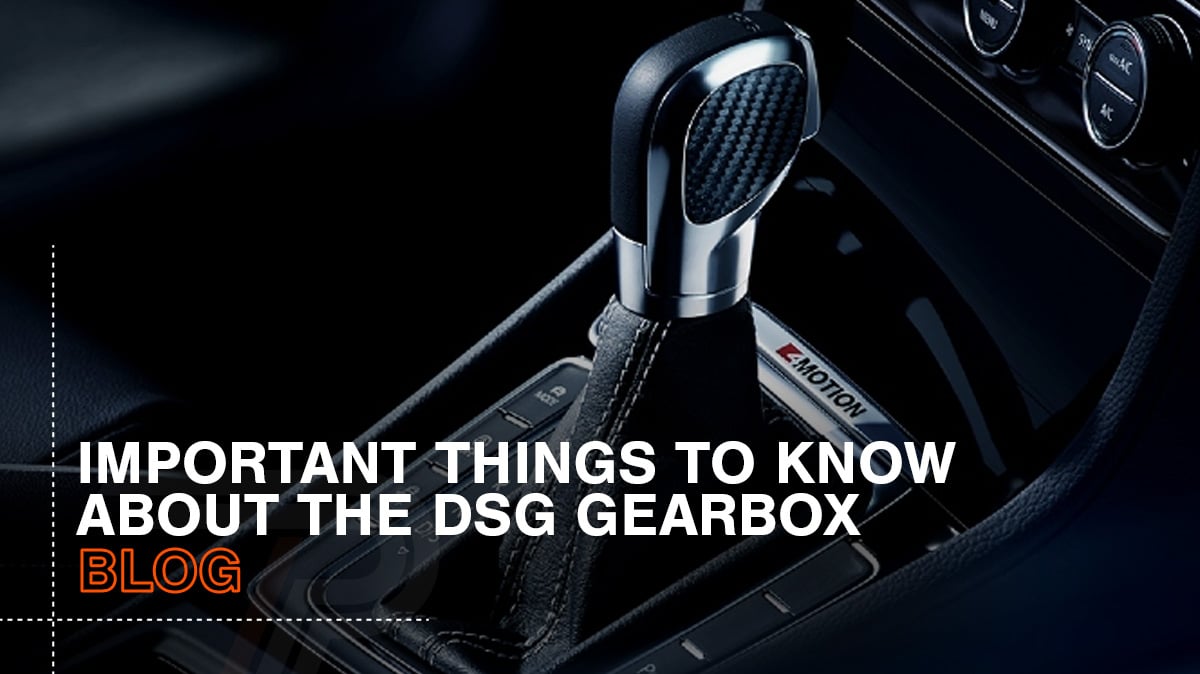
What Is A DSG Gearbox? DSG stands for direct-shift-gearbox. It’s an electrically controlled dual-clutch automatic [...]
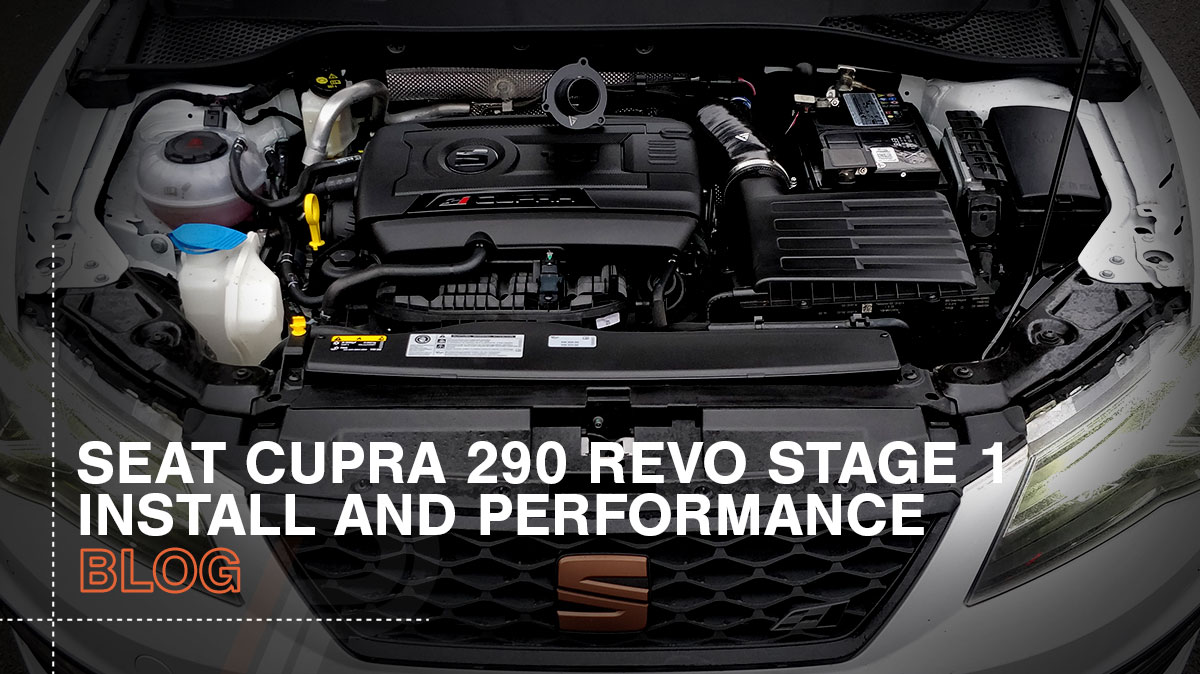
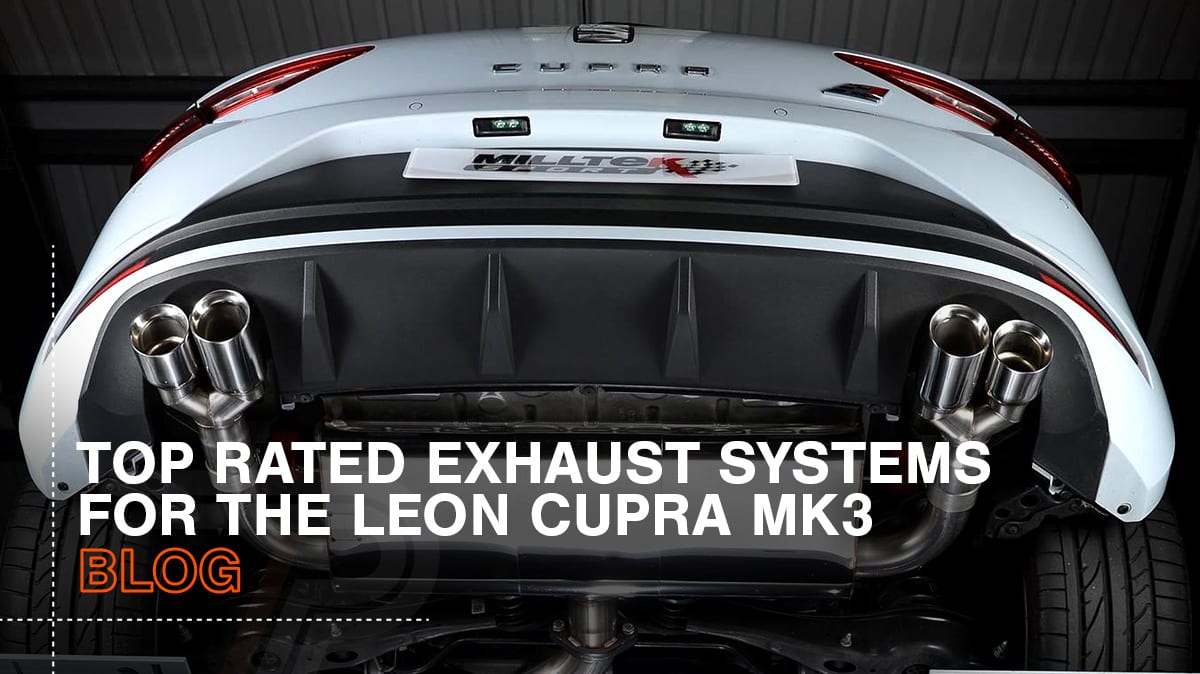
Developed from the ground up we’re extremely proud to give this Cupra the Revo treatment, [...]

















SEATs respond well to sensible performance upgrades, with engines and chassis that reward careful tuning rather than wild guesswork. A healthy base car and a clear goal make all the difference, whether you’re aiming for sharper road manners or a more focused track setup.
Power gains only feel worthwhile when the rest of the package keeps up. Breathing mods, fuelling and ECU calibration should be backed up with stronger braking, tighter suspension and tyres that can actually use the extra shove. Treat it as a complete system: cooling, driveline and bushings are just as important for a quick, confidence-inspiring SEAT as anything that directly adds power.
SEAT’s performance story is rooted in accessible, everyday cars that have always been engineered with a bit more enthusiasm than strictly necessary. From its early partnership within a wider European industrial network through to its current position in a major automotive group, SEAT has consistently used proven shared platforms as a base, then applied its own chassis tuning, steering feel and powertrain calibration to create cars that feel more alert than their family-car origins might suggest. That balance between practicality and a genuinely engaging drive has become a defining thread in its performance identity.
Motorsport has played a steady, if understated, role in shaping SEAT’s engineering mindset. Touring car and rally programmes pushed the brand to refine front-wheel-drive dynamics, traction and braking stability under sustained abuse, not just short bursts. These lessons appear in firmer, better-controlled suspension setups, more robust cooling packages and powertrains that can tolerate sustained high-load use. Rather than headline-grabbing extremes, SEAT’s motorsport influence is felt in repeatable, durable performance that stands up to enthusiastic road driving and occasional track days.
The development of the Cupra sub-brand marked a more focused expression of this philosophy. SEAT’s engineers began treating everyday hatchbacks and estates as canvases for sharper geometry, more sophisticated electronic diff logic and more nuanced drive modes. By prioritising steering precision, pedal feel and predictable handling balance over outright numbers, SEAT created performance variants that appeal to drivers who value confidence and consistency as much as acceleration figures. This approach has helped build a loyal following among enthusiasts who enjoy exploiting the full character of a car on real roads.
Many of SEAT’s past engineering decisions now resonate strongly with modern enthusiasts. Early work on turbocharged four-cylinder engines, compact yet stiff platforms and disciplined weight control set the groundwork for today’s tunable, responsive powertrains. The decision to keep performance models usable as daily transport, with sensible ergonomics and understated styling, means older SEAT hot hatches and fast estates are still sought after as honest, dependable enthusiast cars rather than fragile weekend toys. That continuity of purpose is a key part of their long-term appeal.
As performance expectations and regulations have evolved, SEAT has leaned on group-wide technology while still pushing for its own character. Shared modular architectures, advanced safety systems and efficient engines are tuned with a bias towards driver engagement, often with slightly firmer damping, more direct steering and power delivery tailored to feel energetic without being unruly. This blend of mainstream engineering discipline with a subtle performance twist keeps SEAT relevant to drivers who want a car that feels alive on a good road yet remains grounded in everyday usability and long-term robustness.