










Blog
How to Prepare Your Car for Its First Track Day
Mar
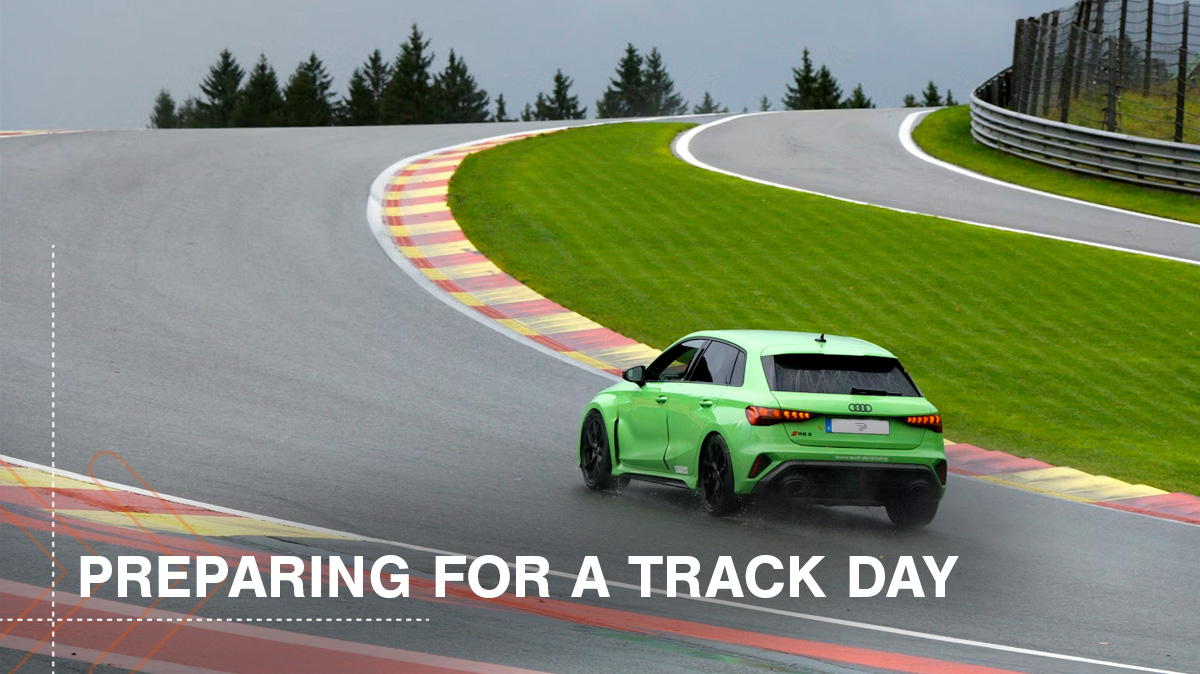
For many car enthusiasts, a track day is the ultimate way to experience what their car can really do. Public roads simply don’t allow you to explore the limits of acceleration, braking, and cornering in a safe or legal way. A track day, however, gives you the freedom to push your car in a controlled environment while improving your driving skills.
But showing up unprepared can turn what should be an exciting day into a frustrating or even dangerous experience. Track driving puts significantly more stress on your car than normal road use. Components that feel perfectly fine during daily driving can quickly become weak points once temperatures rise and loads increase.
If you’ve already started modifying your car for performance or aesthetics, you’re likely halfway there. However, preparing your car properly for its first track day requires attention to several key areas: mechanical condition, safety, braking performance, tires, and driver preparation.
This guide will walk you through everything you need to check and upgrade before hitting the track for the first time.
Get ready for a track day




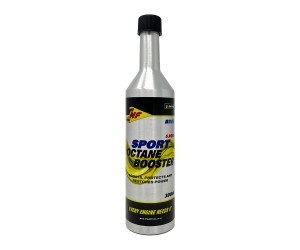
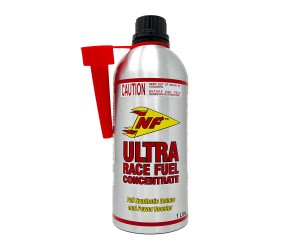
Start With a Thorough Mechanical Inspection
Before thinking about performance upgrades, your car needs to be mechanically healthy. Track days expose weaknesses quickly, and small issues can escalate into major failures when components are pushed hard.
Start with a basic inspection:
- Engine oil level and condition
- Coolant level and system integrity
- Brake fluid level
- No fluid leaks
- Secure battery mounting
- Belts and hoses in good condition
Track driving generates significantly higher temperatures than road use. Your cooling system needs to be operating perfectly to avoid overheating after several hard laps.
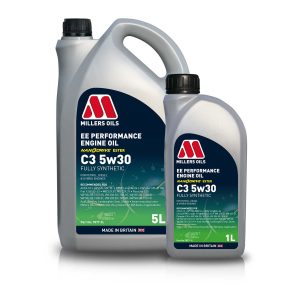
Fresh engine oil is highly recommended before your first event. Hard acceleration and sustained high RPM put much more stress on the oil film protecting internal components. If your car uses performance oil (for example 5W-40 or 10W-60 depending on the engine), make sure it’s within the correct service interval.
If the oil is already close to its change interval, replace it before the event. It’s a cheap insurance policy compared to engine damage.
Make sure you get the right parts for your car, use the vehicle lookyup.
LOOKUP YOUR CARUpgrade Your Brake System (Your Most Important Track Component)
If there’s one system that absolutely needs attention before your first track day, it’s the brakes.
On the road, brakes are used intermittently. On track, they are repeatedly pushed to their thermal limits. Standard road pads can overheat quickly, causing brake fade, longer stopping distances, and inconsistent pedal feel.
Performance Brake Pads
The single most effective upgrade you can make is switching to track-capable brake pads.
Performance pads are designed to:
- Operate at higher temperatures
- Provide more consistent friction
- Resist fade during repeated hard braking
For beginners doing their first track day, a fast road / light track pad compound is often the best choice. Full race pads can be noisy and perform poorly when cold, making them less suitable for cars that are still driven daily.
To make sure you get the best pads for your car, use the reg lookup.
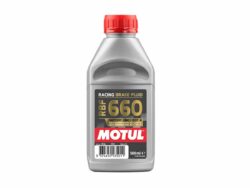
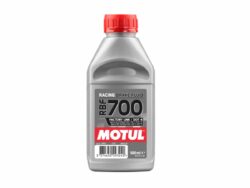
High Temperature Brake Fluid
Brake fluid is another common weak point. Under heavy braking, heat transfers into the calipers and eventually into the fluid. If the fluid reaches its boiling point, vapor forms in the brake lines, resulting in a soft or disappearing brake pedal.
Replacing your brake fluid with a high boiling point performance fluid is strongly recommended.
Many enthusiasts upgrade to fluids rated above 300°C dry boiling point to maintain consistent braking performance throughout the day.

Inspect Brake Discs
Check your brake discs for:
- Cracks
- Deep grooves
- Excessive lip on the edge
- Minimum thickness
Track use accelerates wear dramatically. If your discs are already close to their wear limits, replacing them before the event avoids problems later.
To make sure you get the best brake discs for your car, use the reg lookup.
LOOKUP YOUR CARTires: Your Only Contact With the Track
Tires play a massive role in both performance and safety during a track day.
While standard road tires can survive beginner track use, they will heat up quickly and may become greasy or lose grip after a few laps.
For your first event, you have three common options:
High Performance Road Tires
If your car already runs ultra high performance tires, they are usually fine for a beginner track day. Just ensure they have plenty of tread and no sidewall damage.
Track-Oriented Road Tires
Many enthusiasts choose track-focused road tires like semi-slick compounds. These provide:
- More grip
- Stronger sidewalls
- Better heat tolerance
They dramatically improve confidence and lap consistency compared to standard road tires.
Tire Pressure Management
Track driving raises tire temperatures significantly, which increases pressure.
A good rule is to:
- Start slightly below your normal road pressure
- Check pressures after each session
- Adjust to maintain consistent grip
Most track drivers carry a portable tire pressure gauge and small inflator for this reason.
Uneven tire wear after sessions can also reveal alignment issues or suspension setup problems.
Suspension and Alignment
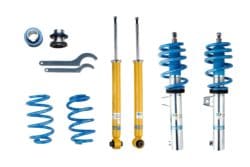
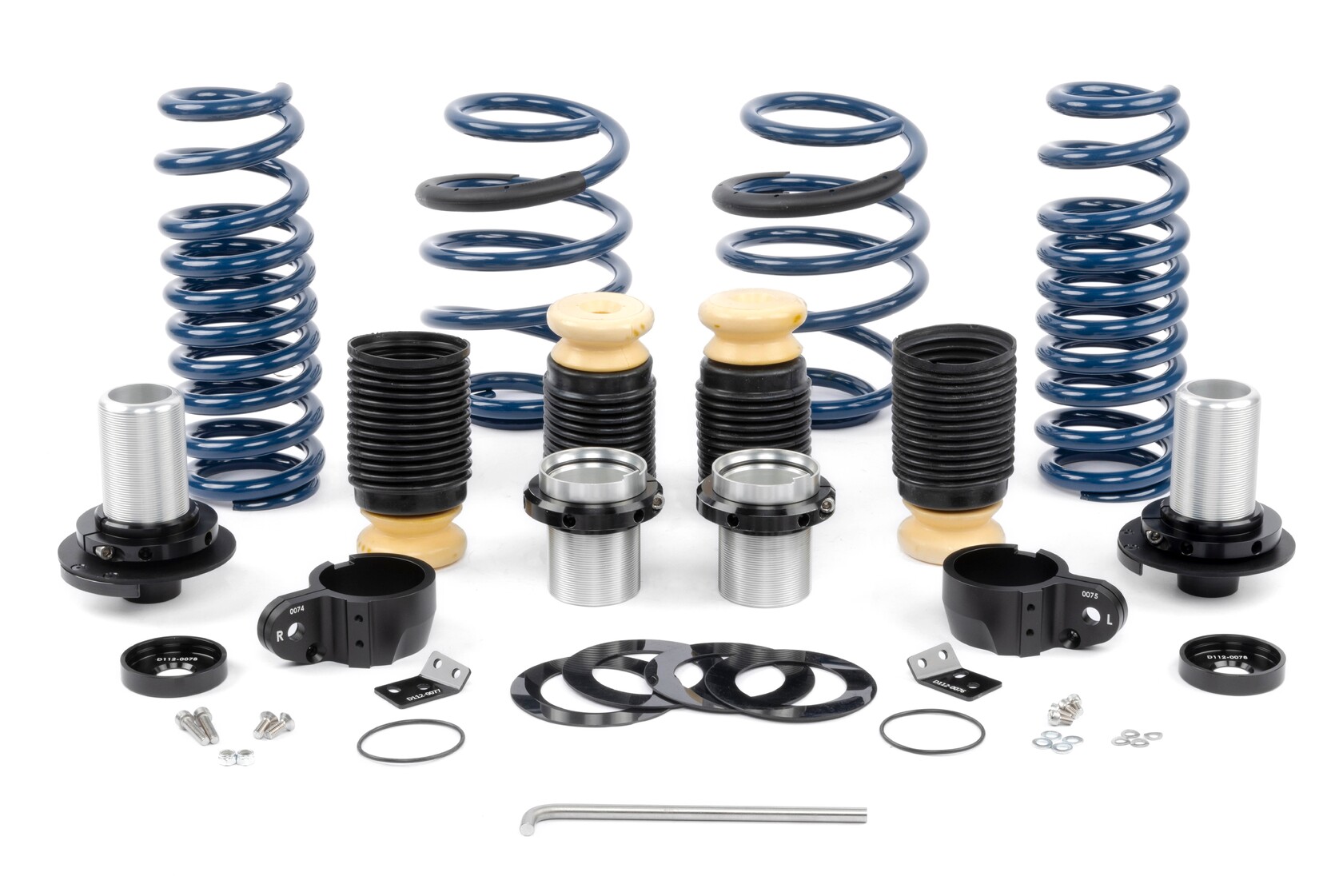
Suspension upgrades aren’t mandatory for a first track day, but they can greatly improve control and predictability.
Many modified street cars already run components such as:
- Lowering springs
- Performance dampers
- Coilover kits
- Upgraded anti-roll bars
These upgrades help reduce body roll and improve responsiveness.
However, even with stock suspension, ensuring everything is in good condition is critical.
Check for:
- Worn bushings
- Leaking dampers
- Loose suspension bolts
- Damaged ball joints
Track-Friendly Alignment
Alignment settings dramatically influence how the car behaves under cornering loads.
A common upgrade for track driving is increased negative camber. This helps keep the tire’s contact patch flat during hard cornering, improving grip and reducing outer-edge tire wear.
Even a modest adjustment can make a noticeable difference in front-end grip.
Reduce Unnecessary Weight
While full race cars undergo extreme weight reduction, even mild preparation helps improve track performance.
Before heading out, remove unnecessary items from the car such as:
- Loose items in the cabin
- Items in the boot
- Floor mats
- Tools not required for the day
Loose objects are not just weight, they are also a safety hazard. Under heavy braking or cornering, items can move around the cabin.
Some track drivers also remove rear seats or run lighter wheels, but that’s not essential for your first event.
Safety Preparation
Track day organisers usually have specific safety requirements, but most include:
- Approved helmet
- Seatbelts in good condition
- No fluid leaks
- Properly secured battery
Helmets are mandatory at nearly every circuit.
While a full racing harness and bucket seat can improve driver stability, your standard seat and seatbelt are perfectly acceptable for most beginner track days.
The key goal is ensuring nothing in the car can move or fail during high load situations.

Bring Basic Track Day Tools
Even well-prepared cars benefit from having a few tools available during the day.
Common items experienced track drivers bring include:
- Tire pressure gauge
- Portable compressor
- Torque wrench
- Socket set
- Brake fluid
- Engine oil
- Zip ties and duct tape
Wheel bolts should be checked periodically during the day, as heat cycles can sometimes cause them to loosen slightly.
Monitoring tire pressure between sessions can also make a big difference in how the car feels on track.
Learn the Track Before You Push Hard
Preparing the car is only half the equation, the driver also needs preparation.
During your first sessions, focus on learning:
- Track layout
- Braking points
- Corner entry and exit lines
- Flag signals
- Safe overtaking rules
Most track day incidents occur when drivers try to push too hard too early.
Build pace gradually and focus on smooth inputs rather than outright speed. Smooth driving is not only faster in the long run, it also reduces stress on the car.
Cooling Down Between Sessions
Track days usually run in sessions of around 15 – 20 minutes.
This gives your car time to cool between runs, but there are still good habits to follow:
- Drive a cool-down lap at reduced pace before entering the pits
- Avoid engaging the handbrake immediately after stopping, as hot discs can warp
- Open the bonnet to help release engine heat
Heat management is one of the biggest challenges during track driving. Allowing components to cool properly helps maintain reliability throughout the day.
OPEN PITS – You’re just free to use the track as you please within a “day session”. Best to manage the time you’re out there, be aware of temps and the vehicle’s condition. Come back in, check tyres, be sure to do a cooldown lap to prevent brakes leaving residue on the disc.
Check Your Car After Every Session
Track driving is tough on components, so a quick inspection between sessions is always worthwhile.
Look for:
- Tire wear or damage
- Fluid leaks
- Brake pad thickness
- Unusual noises
- Loose wheel bolts
Catching a problem early can prevent more serious damage later in the day.
Many experienced drivers spend as much time checking their car in the paddock as they do driving on track.
Final Thoughts
Your first track day should be about learning, improving, and enjoying your car in a safe environment. You don’t need a fully built race car to participate, many drivers attend their first event in lightly modified or even completely stock vehicles.
The key is preparation.
Ensuring your brakes, tires, fluids, and basic mechanical condition are up to the task will dramatically improve both safety and enjoyment. From there, upgrades like performance pads, better tires, and suspension improvements can take your track experience to the next level.
Most importantly, treat your first track day as the beginning of a learning process. Every session teaches you more about your car, your driving style, and where future modifications can make the biggest difference.
Once you experience driving on track, it’s very likely you’ll start planning the next event before the first one even ends.
Additions: Get yourself Track Day Insurance, it’s not mandatory, but a good idea, as road policies will not cover you.