







Legendary Brands. Serious Performance.
Proper Opel performance starts with knowing the platform you’re working with. Whether you’re chasing sharper response, stronger braking or a more planted chassis, we’ve got upgrades to match the character of each Opel in the range. Choose your exact vehicle to see what’s possible and plan the next evolution.
Fast Delivery & UK Stock
Epic Reward Points
0% RACE NOW, PAY LATER™
Expert Advice & Workshop
Opel sits in a sweet spot for modifiers: everyday usable, but never boring. Owners like that these cars feel honest and mechanical, with enough character to reward tweaks without turning the whole thing into a chore. There’s a strong sense of community, plenty of shared knowledge, and a mindset that accepts experimentation as part of normal Opel ownership.
Enthusiasts are drawn to Opel as a long-term canvas, something you can slowly evolve from stock to properly sorted. The appeal is in developing a car around your own driving style, not chasing trophies or status. That progression-focused mindset, built on incremental changes and real-world testing, keeps people invested in refining their Opel year after year.
Opel enthusiasts tend to chase a clean, purposeful look that feels like it could have rolled out of the factory that way. Subtle tweaks to stance, colour accents and lighting signatures are used to sharpen the lines Opel already gave the car, keeping everything cohesive and usable every day.
Many owners lean into motorsport-influenced styling, but in a restrained way. Think bolder but still tasteful contrasts, slightly more assertive profiles and details that tie bodywork and wheels together without shouting about it. The aim is a “factory-plus” Opel that reflects your personality, looks sharper from every angle and still feels authentically Opel, rather than something trying to be something else.
Our related Opel blog pieces explore engineering detail, tuning approaches and ownership insight, offering background that helps make sense of popular upgrades, common compromises and realistic performance goals, so you can understand what works mechanically before changing anything on your own terms.

















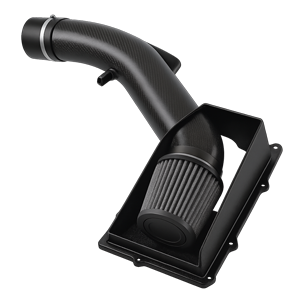
Opel engines respond well to sensible tuning, whether you are chasing a bit more punch for the road or building a focused track car. Factory calibration usually leaves room for improved throttle response and stronger mid‑range performance, especially when combined with breathing and flow upgrades.
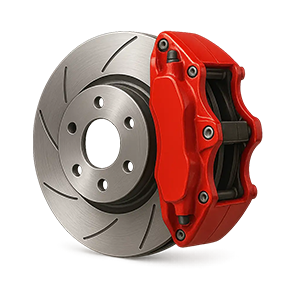
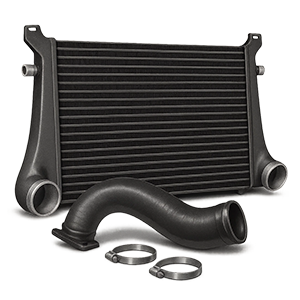
The key with Opel is balance. Better intake and exhaust flow should be matched with cooling, ignition and fuelling improvements to keep everything reliable under harder use. Suspension, brakes and tyres also deserve attention, so the extra power can actually be used with confidence on real roads.
With the right supporting upgrades, an Opel can move from ordinary to genuinely engaging, sharpening the character it already has without sacrificing everyday usability.
Opel’s performance story is rooted in the classic European idea of extracting real pace from everyday cars. From early touring car and rally efforts through to road-biased sports saloons and hot hatches, Opel has treated performance as an engineering problem to be solved methodically, rather than a styling exercise. The focus has consistently been on chassis balance, predictable handling and usable power, giving drivers confidence to explore the limits without turning the car into something impractical or fragile in the process.
Motorsport has played a central role in shaping that approach. Opel’s long involvement in rallying and circuit racing pushed its engineers to build strong, adaptable platforms that could survive rough stages, high-speed kerbs and long-distance events. Lessons in suspension geometry, weight distribution and drivetrain durability filtered back into road cars, so even standard models often carried a hint of competition thinking in their layout and tuning. The end result was a series of performance variants that felt mechanically honest, with hardware developed to work hard rather than impress on paper alone.
Those engineering priorities still echo with enthusiasts today. The way older performance Opels combined rev-happy engines with communicative steering and simple, robust architecture has become part of their appeal, especially for owners who like to modify and track their cars. Decisions made decades ago about front axle design, brake sizing or gear ratios now influence which models are sought after, how easily they can be upgraded, and how they behave when pushed beyond factory specification. Modern fans are often drawn to Opel precisely because these cars respond so predictably to careful tuning.
As power outputs have climbed and regulations have tightened, Opel’s engineers have tended to prioritise control systems and chassis tuning that support real-world driving rather than headline figures. Stiffer bodies, more sophisticated suspension layouts and increasingly precise electronic aids are typically calibrated to preserve that familiar feeling of stability and feedback. Even where forced induction and downsizing are involved, the aim is usually a broad, accessible torque band and repeatable performance, rather than a single dramatic number.
Across generations, this consistency of mindset is what links older metal to the latest performance-focused Opels. The language of engineering has changed, but the core values are similar: make the car responsive without being nervous, strong without being crude, and fast in a way that can be enjoyed on a wet B-road or a track day. That balance between everyday usefulness and genuine driver engagement is what keeps Opel’s performance heritage relevant to enthusiasts looking for a solid foundation to enjoy, refine and improve over the long term.