







Legendary Brands. Serious Performance.
For Mini drivers who enjoy squeezing every bit of character and pace from their car, this is where the upgrades start to come together. From sharper response to more composed handling, we focus on parts that enhance what makes a Mini fun to drive. Choose your exact model to see what’s possible next.
Fast Delivery & UK Stock
Epic Reward Points
0% RACE NOW, PAY LATER™
Expert Advice & Workshop
Mini owners are drawn to the mix of compact size, playful handling and characterful styling, which naturally encourages experimentation. The cars feel responsive and communicative, so even subtle tweaks are noticeable and rewarding. That makes them perfect for drivers who enjoy fine-tuning feel, response and personality, turning everyday journeys into something a bit more involving and tailored to their taste.
Long-term, Minis appeal to people who like building a car that evolves with them. There is a strong culture of planning stages, learning as you go and balancing performance focus with individual style. Owners often treat the car as a rolling project, constantly refining the driving experience while preserving the brand’s distinctive charm and sense of fun on the road.
MINI styling is all about personality without losing that iconic shape. Most owners aim for a factory-plus look: cleaner lines, sharper stance and bolder use of colour that still feels like it could have rolled out of the showroom that way. Think subtle tweaks that tighten up the design rather than shouting for attention.
Common themes include contrasting roof and body colours, heritage-inspired details and carefully chosen accents that highlight the car’s playful character. Some go for a sportier, more purposeful presence, others lean into retro charm, but the goal is the same: a MINI that looks distinctly yours while staying true to its roots.
Our Mini-focused articles explore tuning approaches, chassis behaviour and real-world upgrade paths, offering background knowledge and practical insight. Use them to understand how different components work together and what experienced owners have learned from developing these cars over time.














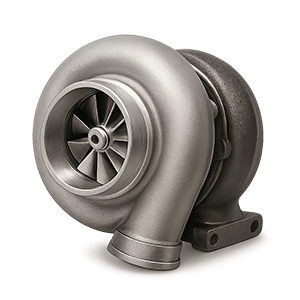
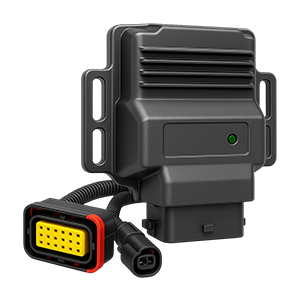
Mini’s compact platforms respond well to thoughtful tuning, whether you’re after a more characterful daily or a sharper back-road car. Modern engines are efficient from the factory, but careful mapping, improved airflow and better thermal control can bring a more eager delivery and stronger mid-range without spoiling the playful feel.
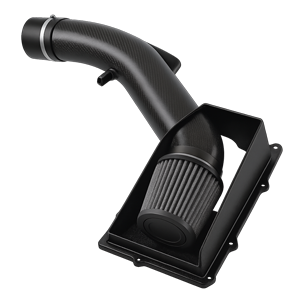
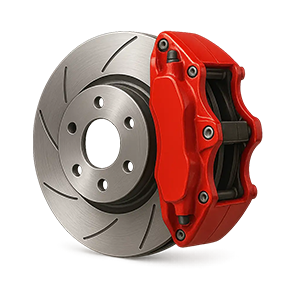
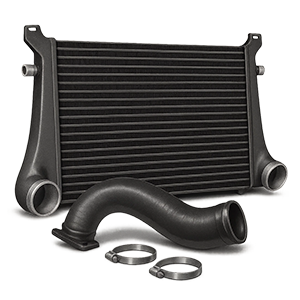
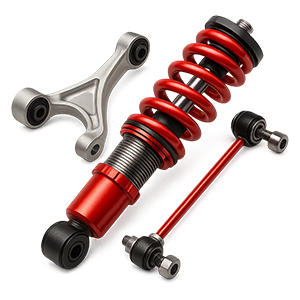
To make the most of extra power, supporting upgrades are key. Intake, exhaust and cooling changes should be matched with improvements in braking, suspension and tyres to keep everything balanced and confidence-inspiring. A well-planned Mini build focuses on drivability and consistency rather than chasing headline numbers, creating a car that feels cohesive on both the road and occasional track sessions.
Mini’s performance story starts with a packaging challenge rather than an outright quest for speed. The original car was engineered to maximise interior space on a tiny footprint, with a transverse engine and wheels pushed to the corners. Those choices, made for practicality and efficiency, accidentally created a highly stable, agile platform. When tuned and raced, the same layout that made the car easy to park also made it fast across rough stages and tight circuits, setting the template for Mini’s reputation as a small car that could embarrass much bigger machinery.
That foundation of agile handling and clever use of limited space fed directly into Mini’s motorsport successes. Lightweight construction, simple suspension and a short wheelbase gave drivers sharp responses and predictable behaviour at the limit. In rallying, especially in events like Monte Carlo, engineers exploited the car’s compact footprint, traction and balance to carry speed where heavier, more powerful rivals struggled. This motorsport heritage was rooted less in brute force and more in making the most of every mechanical advantage the platform allowed.
Modern Minis, developed under a more sophisticated engineering environment, still follow the same core principles: a tight chassis, direct steering and a focus on driver feedback. While safety, refinement and efficiency demands have added complexity, the engineering teams have consistently tried to preserve the “wheels-at-each-corner” feel and responsive front end that defined the originals. Powertrains, braking systems and electronic aids are tuned not only for outright performance but also for a sense of involvement that resonates with drivers who value connection over pure numbers.
For enthusiasts today, the appeal lies in how those early engineering decisions continue to shape the driving experience. The emphasis on compact dimensions, low polar moment of inertia and communicative steering gives tuners a strong starting point for chassis upgrades, power increases and track-focused builds. Whether kept close to stock or heavily modified, the underlying philosophy remains consistent: a small, tightly packaged car that rewards precision, makes the most of modest weight and encourages drivers to explore its limits with confidence.