







Legendary Brands. Serious Performance.
Land Rover engineering already does a lot of the hard work; we’re here for when you want a little more control, response and durability across every journey, on and off road. From chassis and braking upgrades to breathing and driveline improvements, select your exact Land Rover to see what’s realistically achievable next.
Fast Delivery & UK Stock
Epic Reward Points
0% RACE NOW, PAY LATER™
Expert Advice & Workshop
Land Rover attracts modifiers who see ownership as permission to go further, not just further afield. There’s a strong appeal in shaping something capable and characterful to match the way you explore and work. Enthusiasts value the sense of purpose, heritage and mechanical honesty, and they enjoy refining those traits rather than replacing them, keeping the core identity intact while making it more their own.
For many owners, a Land Rover becomes a long-term project as much as a vehicle. The platform invites experimentation and gradual evolution, encouraging people to learn, adapt and personalise over years. Modification culture grows from that slow-burn relationship: problem-solving, improving practicality, sharpening ability and adding personal touches that reflect changing needs, environments and ambitions without losing the rugged spirit that drew them in.
Land Rover owners usually chase a “factory-plus” look: cleaner lines, subtle colour changes and a more purposeful stance that feels like it could have come from the showroom. Darker exterior details, de-chromed accents and carefully chosen contrast colours help the shape look tougher without shouting about it.
Others lean into the brand’s off-road heritage, adding visual cues that suggest long-distance capability and real-world ruggedness rather than show-car flash. Inside, it’s about refining the cabin with understated trims and textures that feel premium but still practical. The goal is always the same: a Land Rover that looks more like your Land Rover, while staying true to the restrained, go-anywhere character that makes the badge special.
Our Land Rover blog content offers deeper insight into performance upgrades, tuning approaches and real-world ownership, giving you context, technical background and honest observations to help you better understand how different modifications influence capability, character and long-term enjoyment.

















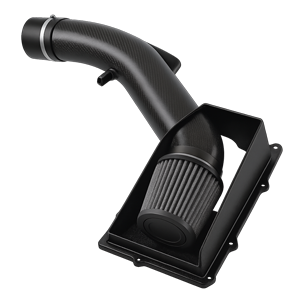
Land Rover owners often chase more effortless torque, stronger mid-range response and sharper throttle feel, whether for fast road use, towing or serious off-road work. Modern engines usually respond well to careful ECU recalibration, complemented by freer-flowing intake and exhaust hardware to help them breathe more efficiently without spoiling refinement.
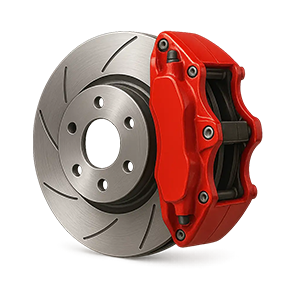
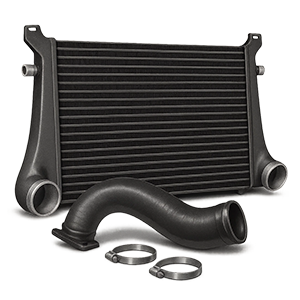
As power increases, the real gains come from a balanced package. Upgraded cooling, driveline and differential components help preserve reliability when worked hard, while improved suspension geometry and quality dampers keep the extra performance controlled on and off road. Stronger braking setups, appropriate tyres and sensible alignment choices then complete the picture, giving a Land Rover that feels more responsive, composed and confidence-inspiring without losing its trademark capability or comfort.
Land Rover has always treated performance as something broader than outright speed. From the earliest Series trucks onwards, the focus has been on vehicles that can maintain progress where others stop. That philosophy shaped an engineering culture built around traction, articulation and durability, with chassis and driveline solutions designed to keep a consistent pace over broken ground, steep inclines and harsh climates. The result is a form of performance that matters when conditions are at their worst, not just when the road is smooth and dry.
Motorsport and expedition events have played a quiet but important role in sharpening that approach. Participation in long-distance rallies, off-road challenges and endurance trials exposed Land Rover engineering to extreme environments for extended periods. Lessons from competition-grade suspensions, differential strategies and cooling systems fed back into production platforms, reinforcing the brand’s focus on reliability under sustained load rather than one-off headline figures. This background still influences how enthusiasts assess and modify Land Rover platforms today, prioritising control, robustness and usable torque.
Many of the decisions made decades ago continue to shape modern interest in Land Rover tuning. The emphasis on strong ladder frames, serviceable drivetrains and generous axle capacities created vehicles that respond well to power upgrades, gearing changes and suspension revisions. Enthusiasts are drawn to the way these underlying structures can be adapted for everything from fast-road estates to serious off-road builds, with the original engineering providing a stable foundation for more focused performance goals.
Land Rover’s move into more road-biased performance models did not abandon those roots. Advanced traction management, adaptive damping and increasingly sophisticated all-wheel drive systems still revolve around the same idea: consistent, controllable performance in varied conditions. For modifiers, that translates into platforms where engine, suspension and brake upgrades can be explored without losing the core character of all-terrain capability and long-distance composure.
Underneath the prestige and comfort often associated with modern Land Rovers, the engineering philosophy remains grounded in practical problem-solving. Packaging heavy-duty components around usable cabins, balancing refinement with ground clearance and designing electronics to work alongside mechanical systems all reflect a mindset shaped by real-world usage. That blend of technical depth and versatility is what keeps Land Rover platforms relevant to enthusiasts looking for performance that extends beyond the typical road car brief.