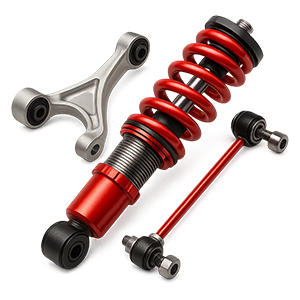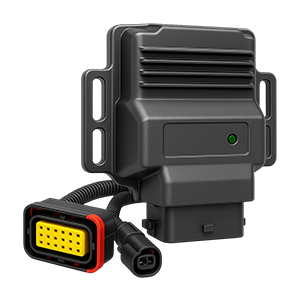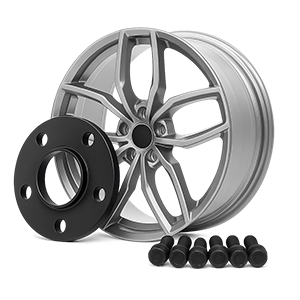








Legendary Brands. Serious Performance.
Chrysler has always mixed comfort with a healthy dose of attitude, and the right performance parts make that balance even sharper. Whether you’re chasing tighter handling, stronger braking or a more responsive drivetrain, we’ve got you covered across the range. Choose your exact Chrysler to see what’s possible next.
Fast Delivery & UK Stock
Epic Reward Points
0% RACE NOW, PAY LATER™
Expert Advice & Workshop
Chrysler attracts modifiers who enjoy going a bit against the grain. In the UK, the brand carries a slightly left-field, American-leaning image, which naturally appeals to people who want their car to feel different to everything else in the car park. The motivation is often about identity and attitude as much as performance, with owners chasing a more individual, confident road presence.
As a longer-term project, Chrysler ownership suits enthusiasts who like the idea of gradually evolving a platform rather than chasing instant results. The cars lend themselves to being shaped around a clear vision over time, from subtle, considered tweaks through to more serious reworks. It becomes less about chasing numbers and more about refining feel, character and the way the car reflects its owner.
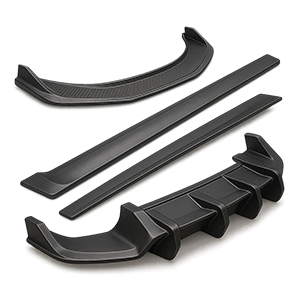
Chrysler styling & visual mods are often about sharpening the car’s natural presence rather than shouting about it. Owners tend to lean into the broad-shouldered proportions, cleaning up the lines and tightening the stance so the car looks more purposeful and planted without going full show car. The idea is to look like Chrysler could have signed it off that way from the factory.
Most builds focus on a bolder, more confident silhouette: darker accents, subtle contrasts and cleaner detailing that emphasise the car’s width and length. Colours are usually chosen to underline the muscular, slightly upscale character rather than chasing trends.
Inside and out, the goal is a calm, assertive look that feels premium, personal and quietly capable, not attention seeking.
Our Chrysler-focused blog content shares technical context, development background and real-world tuning insight, helping you understand how these cars respond to modification, what typically works, what doesn’t, and how different upgrade paths shape driving character and long-term ownership.


















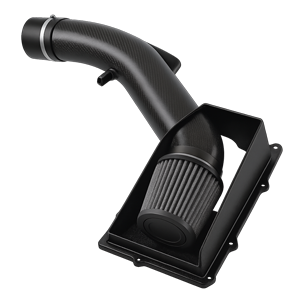
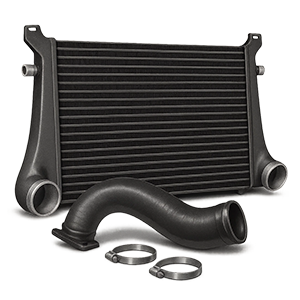
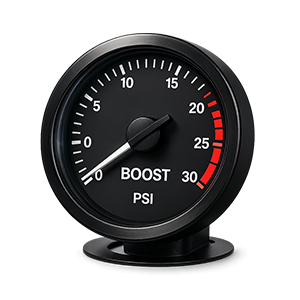
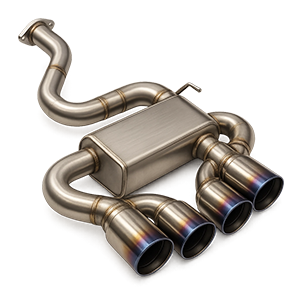
Chrysler offers plenty of scope for sensible performance gains, especially when you focus on improving how the car breathes and how the power is delivered. Engine management calibration, intake and exhaust upgrades, and careful attention to cooling can all help the car feel stronger and more responsive without ruining its everyday manners.
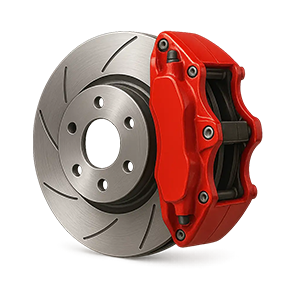
As with any Chrysler build, the real progress comes from balancing power with control. Supporting changes to the chassis, brakes and driveline help the car put performance down cleanly and consistently. Done properly, you end up with a Chrysler that feels more eager, composed and rewarding, while still retaining its original character.
Chrysler’s performance story sits in the wider history of American powertrain innovation, where big-capacity engines, bold styling and a willingness to experiment shaped its identity. From the early hemispherical-combustion V8 projects to later turbocharged and high-output applications, Chrysler has often used its performance models as rolling test beds for new engineering ideas. The brand’s engineers have traditionally favoured strong, understressed components and robust drivetrains, reflecting a culture that assumed owners would explore the upper end of the rev range more often than most manufacturers expected at the time.
Motorsport has provided both inspiration and real-world validation for Chrysler’s engineering direction. Stock car racing, drag racing and various touring car efforts all pushed the company to refine engine breathing, cooling, lubrication and chassis setup under sustained abuse. These lessons filtered into road-going platforms through stronger blocks, improved cylinder head designs, better brake hardware and more focused suspension geometries. Even when outright racing success fluctuated, the technical feedback loop between track and road remained a consistent part of the brand’s thinking.
Many of the engineering choices made decades ago still resonate with enthusiasts today. The emphasis on torque-rich engines, simple mechanical layouts and tuneable, rear- and front-wheel-drive architectures gives modern modifiers a solid base to work from. Older Chrysler platforms often feature generous engine bays, straightforward electronics for their era and drivetrains known to tolerate moderate power increases, all of which continue to attract owners who like to upgrade in stages rather than chase headline figures immediately.
In more recent years, Chrysler’s approach has blended traditional displacement and character with incremental improvements in efficiency, safety and refinement. Engineers have looked to reduce friction, optimise combustion and integrate electronic aids without completely muting the raw, mechanical feel that attracted drivers to the brand’s performance models in the first place. This balance between heritage and contemporary expectation keeps Chrysler relevant to enthusiasts who appreciate both the analogue charm of older machines and the usability of modern platforms.
Across its history, Chrysler’s performance engineering philosophy can be summed up as pragmatic but ambitious: take strong, durable hardware, expose it to the harsh realities of competition and long-distance driving, then refine rather than reinvent unnecessarily. That mindset has created a portfolio of cars that, while varied in layout and era, tend to invite modification and personalisation. For enthusiasts, this consistency in core values is often as important as any individual model, providing confidence that a Chrysler performance project will reward careful, informed upgrades over the long term.