







Legendary Brands. Serious Performance.
Here you’ll find performance parts chosen for people who actually care how their Chevrolet drives, feels and responds. From weekday workhorses to weekend toys, we’re focused on upgrades that make a genuine difference. Pick your exact Chevy below and we’ll narrow things down to the parts that truly fit your build plans.
Fast Delivery & UK Stock
Epic Reward Points
0% RACE NOW, PAY LATER™
Expert Advice & Workshop
Chevrolet attracts modifiers who enjoy the mix of raw potential and straightforward engineering, making it easy to learn, tweak and refine over time. Enthusiasts often treat ownership as a long-term journey, gradually evolving the car with each stage of experience. The goal is rarely perfection on paper, but a uniquely balanced machine that reflects the owner’s priorities, skills and growing ambition.
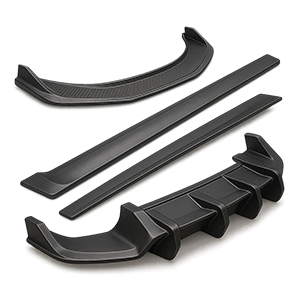
Chevrolet styling mods usually lean into the car’s muscle and attitude without going over the top. Owners tend to refine the stance and proportions so the shape looks more purposeful and planted, keeping the muscular factory lines as the main event rather than hiding them behind gimmicks.
Visual changes often aim for a cleaner, more cohesive look: sharper contrasts, bolder but still tasteful colour choices and subtle motorsport-inspired details. The goal is a factory-plus feel that looks like it could have rolled out of a special design studio, still recognisably Chevrolet but more personal and more focused.
Explore our Chevrolet-focused articles for grounded insight into how these cars respond to thoughtful upgrades, why certain engineering choices matter, and what experienced owners have learned from real-world use, track time and careful tuning over the long term.


















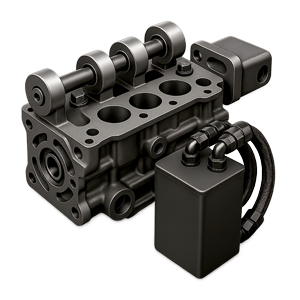
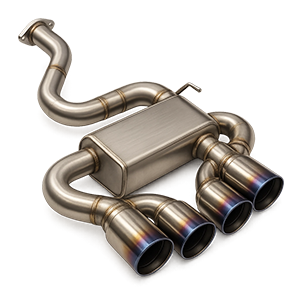
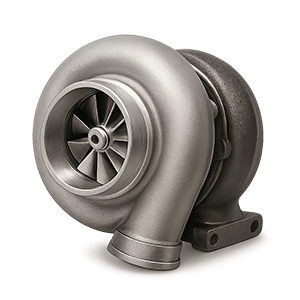
Chevrolet performance engines respond well to thoughtful tuning, whether you’re chasing sharper throttle response, stronger mid-range pull or more character from the exhaust. Factory calibration usually leaves headroom, so careful ECU work, intake and exhaust optimisation and sensible cooling upgrades can help deliver a more eager, flexible power delivery without spoiling everyday drivability.
As power increases, it pays to think about the whole package. Supporting upgrades to the clutch or transmission, brakes, tyres and suspension keep the extra shove under control and usable on real roads. With a balanced approach that respects the underlying engineering, Chevrolet platforms can be turned into fast, enjoyable and dependable cars that feel genuinely more special than standard.
Chevrolet’s performance story runs in parallel with the growth of American motoring itself, from early straight‑line speed records to the creation of some of the most recognisable sports and muscle cars on the road. The brand’s engineers have long worked with a simple idea: make accessible, robust powerplants and chassis that can cope with real-world abuse, then refine them through competition. This has created an engineering culture that values torque-rich engines, durable drivetrains and a focus on mechanical grip as much as headline performance figures.
That philosophy has been sharpened by decades of motorsport involvement. Chevrolet has used everything from oval racing to endurance events and touring car series as rolling laboratories, testing combustion efficiency, cooling, lubrication and suspension geometry under extreme conditions. Lessons from race programmes have repeatedly fed back into road-going performance platforms, especially in areas such as small-block engine development, aero stability at speed and brake cooling solutions that withstand repeated hard use.
What keeps modern enthusiasts interested is how many of those older engineering decisions still pay off today. The pursuit of compact, high-output engines with strong bottom-end components makes classic Chevrolet powertrains hugely tunable, while the emphasis on straightforward layouts and generous packaging space continues to reward modification and maintenance. Enthusiasts recognise that this combination of strength, simplicity and modularity is not an accident; it is the result of a deliberate strategy to prioritise real-world durability and upgrade potential over fragile complexity.
More recent Chevrolet performance projects show a gradual move towards smarter integration of electronics, materials and aerodynamics, but the underlying values remain familiar: engines designed to respond well to breathing and fueling changes, chassis that can handle extra power, and a willingness to let motorsport stress-test new ideas. For enthusiasts, that continuity is the appeal. Whether working with a classic or a modern platform, they are engaging with an engineering lineage shaped by competition, iterative development and a clear focus on long-term mechanical integrity.