







Legendary Brands. Serious Performance.
Abarth builds cars that beg to be driven hard, and the right performance parts make all the difference. From sharper handling to more responsive power delivery, we’ve got options to suit every Abarth in the range. Choose your exact vehicle to dial in upgrades that match your driving style and future plans.
Fast Delivery & UK Stock
Epic Reward Points
0% RACE NOW, PAY LATER™
Expert Advice & Workshop
Abarth attracts modification because it already feels like a factory-tuned toy, inviting owners to keep pushing that playful, motorsport-inspired character. Drivers are drawn to sharpening response, tightening handling and dialing in a more aggressive attitude, all while keeping the car usable every day. It’s about amplifying the sense of mischief and involvement that’s already baked into the badge.
For many enthusiasts, an Abarth becomes a long-term project that evolves with their skills and tastes. The platform encourages fine-tuning over time, from subtle tweaks to more focused track-ready transformations. Owners enjoy expressing personality through performance and styling changes, building something that feels uniquely theirs while staying true to Abarth’s heritage of compact, feisty drivers’ cars.
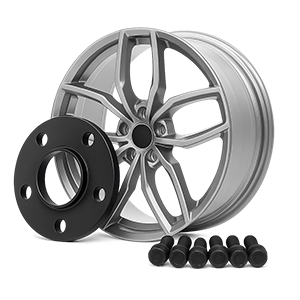
Abarth styling is all about cheeky performance with a focused edge. Enthusiasts tend to sharpen the factory character rather than reinvent it, aiming for a squat, agile look that feels tightly wound and eager. Graphics, contrasting accents and motorsport-inspired details are used to underline the car’s heritage, not to shout for attention.
Most owners chase a coherent, “factory-plus” aesthetic: cleaner lines, more purposeful presence and a sense of tension in the bodywork. The goal is a car that still looks unmistakably Abarth, just with its attitude turned up a notch.
Our related Abarth blog pieces explore setup choices, tuning philosophy and real-world ownership, offering context and technical insight that sit alongside the parts themselves, helping you understand how different upgrade paths shape character, balance and long-term enjoyment of these cars.















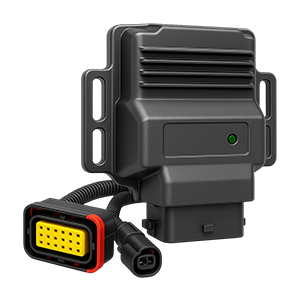
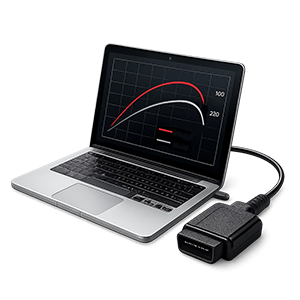
Abarth models respond well to thoughtful tuning, with turbocharged engines and compact platforms that reward careful calibration. There is plenty of scope to sharpen throttle response, broaden the usable powerband and make the car feel more eager, without losing the playful character that makes an Abarth appealing in the first place.
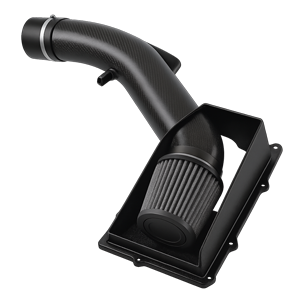
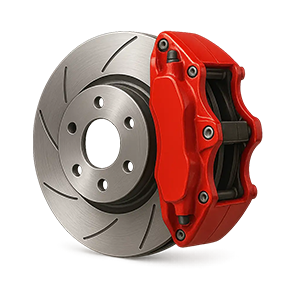
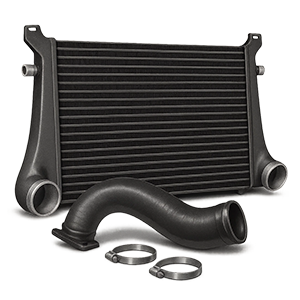
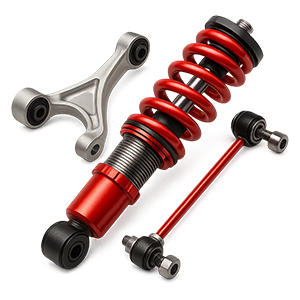
The key is balance. Engine software changes work best alongside supporting upgrades that improve intake flow, exhaust efficiency and temperature control. At the same time, chassis and braking improvements help you make full use of any extra performance, keeping the car stable, predictable and fun on fast road or occasional track use.
Approached as a complete package rather than a set of isolated tweaks, an Abarth can be transformed into a more focused, responsive and rewarding drive, while still retaining everyday usability and that distinctive sense of mischief.
Abarth built its reputation on taking small, modestly powered cars and pushing them far beyond what anyone expected. From the early days of fettling compact Italian saloons and city cars for competition, the brand treated lightweight chassis, short wheelbases and rev-happy engines as opportunities rather than limitations. That background created an engineering culture focused on extracting usable performance through clever breathing, responsive gearing and detailed chassis tuning, rather than relying on brute force or headline power figures.
Motorsport has always been central to how Abarth develops its hardware. Period touring car and hillclimb campaigns shaped a philosophy where power increases had to be matched with predictable handling, effective cooling and strong braking. The engineers learned to work within tight regulations and packaging constraints, which in turn drove an emphasis on efficiency, weight distribution and compact but robust components. Even today, that competition mindset shows through in how Abarth approaches engine calibration, suspension geometry and steering feel.
What keeps enthusiasts interested is how those early decisions echo in modern Abarth models. The focus on agility over outright grip, characterful engine response over sterile refinement, and engaging feedback at realistic road speeds all trace back to cars that had to perform on challenging, technical circuits. Drivers who enjoy adjusting the car on the throttle, feeling the chassis work underneath them and making the most of every bhp find a clear line from the classic scorpions to the current range.
Abarth’s engineering philosophy also places strong value on mechanical character and sensory involvement. Exhaust tuning, pedal weighting and gear ratios are treated as core parts of the driving experience, not afterthoughts. Rather than chasing silence or isolation, the brand tends to preserve a degree of vibration, induction noise and steering texture, reflecting the view that a performance car should communicate what its tyres and drivetrain are doing.
Over time, this approach has given Abarth a distinct identity in the performance landscape. Instead of building all-round grand tourers or high-tech cruisers, the marque continues to prioritise compact dimensions, sharp responses and a direct connection between driver inputs and vehicle behaviour. For enthusiasts who appreciate that blend of motorsport-influenced engineering, mechanical honesty and long-term charm, Abarth offers a very specific kind of appeal that remains rooted in its competition heritage.