







Legendary Brands. Serious Performance.
Here you’ll find performance-focused upgrades tailored to Honda’s engineering-first mindset, from responsive chassis tweaks to smart breathing and cooling improvements across the range. Everything here is chosen to work with how Hondas are actually driven, day in, day out, so let’s start by narrowing things down to your exact Honda and build from there.
Fast Delivery & UK Stock
Epic Reward Points
0% RACE NOW, PAY LATER™
Expert Advice & Workshop
Honda’s always appealed to people who like cars that feel honest, responsive and up for a challenge. Owners are drawn to the idea of unlocking what’s already there rather than fixing flaws. That mindset naturally leads to tweaks that sharpen feedback, improve balance and add character, turning everyday driving into something more involving without losing the brand’s trademark usability and reliability.
Plenty of Honda drivers see their car as a long-term project, not just transport. There’s a culture of learning, experimenting and gradually evolving the car in line with personal taste and driving style. Whether it’s chasing a more connected feel, a cleaner look or a more focused weekend toy, the attraction lies in shaping a well-engineered base into something uniquely theirs.
Honda styling culture leans towards clean, purposeful lines with just enough aggression to show intent. Most owners chase a “factory-plus” look, tightening up the stance and sharpening the car’s profile so it looks like the version Honda might have built for its own enthusiasts.
Subtle contrast is a big theme: carefully chosen colours, finishes and textures that pick out the natural creases and details without shouting about it. The goal is a car that looks more focused and athletic, but still unmistakably Honda and perfectly usable every day.
Our Honda-focused blog pieces explore the engineering choices, common upgrade paths and real-world experiences behind these cars, offering grounded insight and context to help you understand how different performance parts interact with Honda’s design philosophy and long-standing motorsport heritage.

















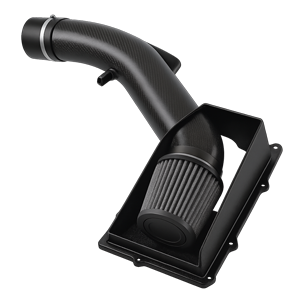
Honda engines have a reputation for rev-happy character and solid engineering, which makes them a great base for performance tuning. With the right approach, you can enhance response, widen the usable powerband and sharpen the whole driving experience without spoiling the core Honda feel.
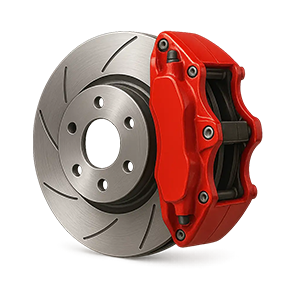
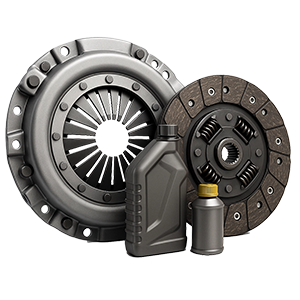
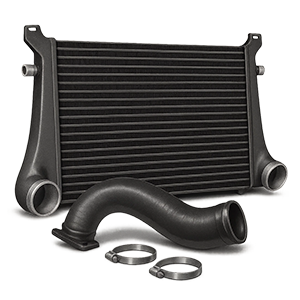
The key is balance. Improving intake and exhaust flow, refining ECU calibration and managing temperatures will only deliver their best when chassis, brakes and drivetrain are kept in step. Supporting upgrades help maintain reliability and drivability, so the car feels cohesive rather than over-stressed.
Done properly, Honda tuning is about complementing what’s already there, turning a willing platform into something even more rewarding on road or track.
Honda’s performance story has always been rooted in clever engineering rather than brute force. From its earliest days in Grand Prix motorcycle racing through to Formula 1 and touring cars, the brand has tended to favour high specific output, efficiency and reliability over simple capacity. That approach created a culture where revs, response and mechanical precision mattered as much as outright numbers, shaping everything from road car engines to chassis setups with a clear motorsport influence. For enthusiasts, the appeal lies in how those lessons filter into cars that feel engineered to be used hard, rather than just tested on a dyno sheet.
Honda’s engineering philosophy leans heavily on optimisation and balance. Lightweight construction, compact packaging and clever use of materials are recurring themes, along with a focus on linear power delivery and predictable handling. Suspension geometry, steering feel and pedal weighting are typically tuned to give the driver consistent feedback, even in everyday models. Rather than chasing drama for its own sake, Honda has tended to build cars that reward smooth inputs and precision, reflecting a competition background where consistency over a race distance is more valuable than one spectacular lap.
Decisions made decades ago still echo in the way modern Honda performance models are perceived. The early focus on high-revving naturally aspirated engines, robust gearboxes and strong braking systems set expectations among enthusiasts that Honda drivetrains should feel responsive, eager and mechanically honest. That history shapes current interest in both classic and current cars: people seek out the clarity of response, the willingness to rev and the sense that components have been designed to tolerate sustained enthusiastic use, not just the occasional sprint.
Underneath it all is a methodical, almost obsessive approach to detail. Whether it is combustion efficiency, airflow management or structural rigidity, Honda tends to iterate and refine rather than reinvent for the sake of marketing. The result is a lineage of performance-focused engineering choices that prioritise durability, driver confidence and technical coherence. For enthusiasts, that long-term consistency is a big part of the attraction: the feeling that the car has been built by people who care how it behaves at the limit, as much as how it looks on paper.
Even as regulations and technologies shift, Honda’s performance mindset remains recognisable. Forced induction, hybrid systems and advanced electronics are integrated with the same emphasis on responsiveness and control, rather than simply masking weight or chasing headline outputs. The brand’s motorsport background continues to inform cooling strategies, component layout and software calibration, aiming to keep the driver connected to the hardware. That continuity gives Honda performance models a particular character that resonates with drivers who value engineering depth and repeatable, real-world capability over fleeting trends.