







Legendary Brands. Serious Performance.
TVR ownership is all about character, noise and feel, and the right performance parts sharpen every one of those traits. From chassis and braking to breathing and cooling upgrades, we understand what these cars respond to. Choose your exact TVR below and we’ll help you focus on the right hardware for your build.
Fast Delivery & UK Stock
Epic Reward Points
0% RACE NOW, PAY LATER™
Expert Advice & Workshop
TVR owners are usually tinkerers at heart, drawn to the raw, mechanical feel and the sense that the cars invite personal input. The platform feels honest and unfiltered, which naturally pushes people to refine response, balance and feedback. Modification becomes part of everyday ownership: understanding quirks, tailoring behaviour and tightening the connection between driver, machine and road.
As long-term projects, TVRs attract people who enjoy evolving a car over years, not months. There’s a strong culture of learning as you go, planning stages and gradually sharpening character rather than chasing numbers. The appeal lies in engineering your own interpretation of what a TVR should be: focused, individual and unmistakably shaped by the person who built it.
TVR is all about drama in the metal, so visual tweaks usually build on that sculpted, muscular shape rather than fight it. Owners tend to refine the factory lines with cleaner, more cohesive details, keeping the car’s raw character while making it feel a bit more tailored and mature.
Expression often comes through bolder colour choices, understated motorsport cues and small touches that tighten up the overall look. The aim is usually a factory-plus finish that respects the original design: aggressive but not cartoonish, unique without shouting about it. Done well, the car looks like TVR could have signed it off that way from new.
Our related TVR blog content digs into engineering choices, tuning approaches and ownership realities, giving you context to understand how each upgrade fits the bigger picture and what it means for performance, reliability and character on real roads.
















TVR engines already feel wild from the factory, but there’s still meaningful performance to unlock with a thoughtful approach. Breathing mods, careful mapping and attention to fuelling can sharpen response and broaden the usable rev range, making the power feel more accessible without spoiling the character that makes these cars special.
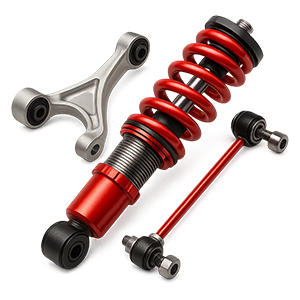
The real gains with TVR often come from balance. Upgraded cooling, oil management and ignition components help the drivetrain cope with harder use, while improvements to suspension, bushings and geometry let you use every bit of performance with confidence. Stronger brakes and tyres complete the package, turning raw pace into repeatable, controlled speed on both road and track.
TVR has always approached performance from a fiercely independent angle, favouring low weight, big power and minimal driver aids over complex technology for its own sake. From the earliest fibreglass-bodied sports cars through to the muscular coupes of the 1990s and 2000s, the core idea has stayed the same: keep the car simple, keep it light, and let the driver do the work. That philosophy produced cars that felt raw and mechanical, with a direct connection between inputs and response that still shapes how enthusiasts think about “proper” driver’s cars today.
Engineering at TVR has traditionally focused on fundamentals rather than polish. Chassis design, weight distribution and engine placement were prioritised over comfort and refinement, with tubular spaceframes and composite bodywork used to maximise stiffness while keeping mass low. The result was a family of cars that traded outright sophistication for a kind of purposeful brutality, where geometry, grip and power delivery mattered more than insulation or electronic safety nets.
Motorsport influence at TVR has been less about chasing trophies and more about adopting race-bred thinking for the road. The brand experimented with lightweight construction, aggressive suspension setups and high-revving powertrains in a way that echoed club-level and endurance racing practice. Ventilation, braking hardware and cooling layouts often reflected track use, giving road cars a functional, almost prototype-like feel that appealed to drivers who valued feedback over comfort.
Those earlier engineering decisions still resonate with modern enthusiasts. The commitment to naturally aspirated power, rear-wheel drive and manual gearboxes has become increasingly rare, giving TVR’s back catalogue a particular relevance to drivers who feel disconnected from heavily assisted modern performance cars. The brand’s insistence on mechanical honesty, visible craftsmanship and a slightly uncompromising character has turned its cars into reference points for people who want engagement first and foremost.
Long term, TVR’s appeal lies in that clear, if unconventional, philosophy. The cars are not defined by lap times or luxury, but by the way they communicate road texture, traction and balance through the chassis and controls. As performance engineering moves towards electrification and automation, TVR’s body of work stands as a reminder that there is lasting value in simplicity, lightness and a certain level of challenge behind the wheel.