







Legendary Brands. Serious Performance.
Kia has quietly become a serious option for drivers who enjoy a responsive, well-sorted car, and the right performance parts really bring that out. From sharper handling to more engaging power delivery, we’ve got upgrades to suit the full Kia range, so let’s start by narrowing things down to your exact model.
Fast Delivery & UK Stock
Epic Reward Points
0% RACE NOW, PAY LATER™
Expert Advice & Workshop
KIA attracts a growing modification crowd because the cars feel like a blank canvas with just enough character baked in. Owners tend to be curious tinkerers who enjoy refining the everyday drive, chasing sharper responses and a more involving feel. It’s less about chasing lap records and more about turning a sensible choice into something that reflects their own taste and driving style.
For many KIA enthusiasts, the appeal is the long-term journey from stock commuter to personal project. They like exploring balanced upgrades that tighten everything up and give the car a more assertive attitude. The mindset is about progression: learning, experimenting and gradually evolving the car so it keeps pace with their skills, confidence and ambitions as drivers.
KIA styling mods tend to focus on sharpening what’s already there, rather than shouting about it. Owners often chase a cleaner, more purposeful look that echoes KIA’s sportier factory lines, refining the stance and silhouette so the car looks more planted and confident without screaming for attention.
Colour and contrast play a big role, with enthusiasts dialling in small touches that tie the whole exterior together and make the design look more cohesive. Inside and out, it’s about personalising the car so it feels recognisably yours, but still very much like it could have rolled out of the factory that way.
Our related KIA blog pieces explore tuning approaches, common upgrade paths and real-world ownership insights, giving you wider context for planning modifications, understanding compromises and learning how others are refining these cars for fast road, track or daily use.














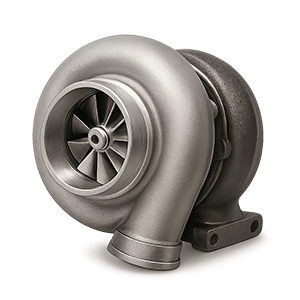
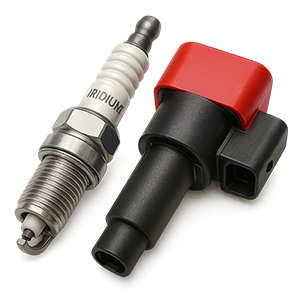
Kia’s newer turbocharged and direct-injection engines respond well to thoughtful tuning, with plenty of scope to sharpen throttle response and broaden usable power. Even the more modest powerplants can feel noticeably more eager when breathing and fuelling are optimised, provided it’s done with mechanical sympathy in mind.
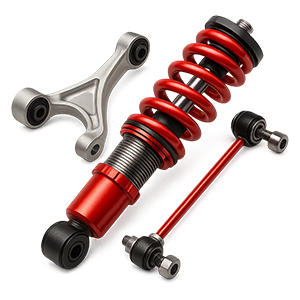
Real gains come from treating the car as a complete package. Improving cooling, intake and exhaust flow, then matching those changes with calibration, helps the engine work more efficiently and consistently. At the same time, chassis and braking upgrades keep the extra performance usable on real roads.
Balance is key. A well-planned path of staged modifications, with attention to reliability and drivability, turns a quick Kia into something that feels genuinely sorted, without spoiling its day-to-day manners.
Kia’s performance story is relatively understated, but it is rooted in a steady shift from purely pragmatic transport towards cars that reward keen drivers. Early models built a reputation for robustness in tough conditions, particularly in markets where durability mattered more than outright pace. Over time, this focus on real-world reliability created a solid engineering base for stronger engines, stiffer chassis setups and more sophisticated drivetrains to be added without sacrificing day-to-day usability.
As Kia began to compete in regional touring car and one-make series, the brand’s engineers had to think more carefully about heat management, braking stability and suspension control over long, punishing stints. Track running exposed weaknesses that normal road use would never show, pushing development towards more rigid body structures, more consistent damping and better powertrain cooling. The lessons from circuit work and grassroots motorsport filtered back into road-going models through incremental improvements rather than headline-grabbing specials.
Modern enthusiasts notice these accumulated decisions in subtle ways: steering that feels more direct, engines that stay consistent after repeated hard runs, and chassis setups that respond predictably when driven beyond commuting pace. The move to smaller-capacity turbocharged petrol engines, paired with increasingly capable automatic and dual-clutch gearboxes, reflects an engineering mindset geared around usable torque, thermal efficiency and long-term reliability rather than chasing peak figures alone.
Under the wider umbrella of a larger Korean automotive group, Kia has access to shared platforms, electronics and testing facilities, but the brand’s own engineering teams tune these foundations to suit a slightly more relaxed, road-focused character. The result is a portfolio that may not shout about lap times, yet offers a solid base for modification. For enthusiasts, this makes Kia an interesting proposition: fundamentally robust cars, shaped by quiet motorsport experience and continuous refinement, ready to be taken a step further with thoughtful upgrades.