







Legendary Brands. Serious Performance.
Here you’ll find performance parts chosen to bring the best out of your Jeep, whether it spends its time on the road, in the mud, or a bit of both. From breathing and handling to strength and protection, it’s all here. Pick your exact Jeep to see what fits and what’s possible next.
Fast Delivery & UK Stock
Epic Reward Points
0% RACE NOW, PAY LATER™
Expert Advice & Workshop
As a long-term project platform, Jeep suits people who enjoy evolving a vehicle over time. The community mindset leans towards purposeful upgrades that reflect how and where the vehicle is used, from trail-focused builds to all-round adventure rigs. It’s about shaping a capable companion that matches its owner’s ambitions, turning every change into part of a bigger story.
Jeep owners usually lean towards a tougher, more purposeful look that still feels close to factory. It’s about sharpening the stance, emphasising the square-shouldered profile and giving the bodywork a more trail-ready presence without turning it into a caricature.
Subtle changes in proportions, colour accents and exterior detailing can make a Jeep look more capable and planted, whether it lives off-road or in the city. Many enthusiasts aim for a clean, utility-led aesthetic that hints at adventure, keeping lines uncluttered while adding just enough personality to stand apart from standard models.
Our related Jeep blog content offers grounded insight into tuning approaches, common upgrade paths and real-world ownership considerations, helping you understand how different performance parts interact and what typically works best for this manufacturer in varied driving scenarios.

















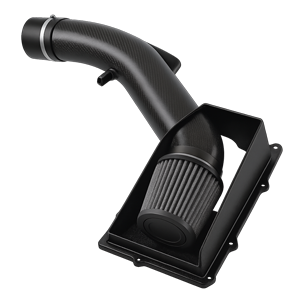
Jeep owners are always chasing a bit more shove, whether that is for overtakes on the road or stronger pull off‑road. Most modern engines respond well to careful ECU calibration, freeing up usable power and torque while sharpening throttle response. Combined with freer‑flowing intake and exhaust hardware, you can unlock a more eager character without spoiling day‑to‑day drivability.
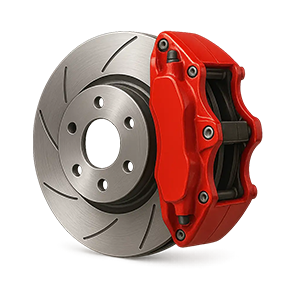
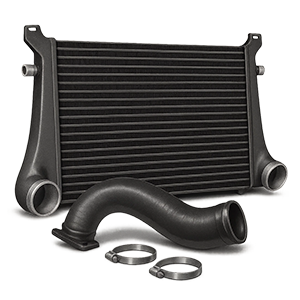
Because Jeeps are heavy and often work hard, supporting upgrades matter just as much as peak numbers. Cooling improvements, stronger driveline components and well‑chosen fluids help keep things reliable when you are loaded up or exploring rough terrain. Matching extra power with uprated suspension, brakes and tyres brings better control, stability and confidence on both tarmac and trails.
Jeep’s performance story is rooted less in lap times and more in capability under pressure. Born from military requirements for a compact, highly mobile vehicle, early Jeeps had to prioritise durability, mechanical simplicity and usable torque over outright speed. That mindset shaped the brand’s engineering values: robust drivetrains, straightforward mechanical layouts and an emphasis on traction in poor conditions. Even as the range expanded, Jeep’s key performance metric remained the same: how effectively a vehicle could put power to the ground when the surface was working against it.
From an engineering standpoint, Jeep has often favoured hardware that supports predictable behaviour off road. Solid axles, generous suspension articulation and low-range transfer cases were deliberate choices, trading some on-road finesse for control, grip and strength on uneven terrain. Powertrains have typically been tuned for broad torque delivery and thermal resilience, aimed at slow, technical driving and long periods under load. Braking, steering and chassis setups have traditionally been calibrated with stability and feedback in mind rather than ultra-quick responses.
Modern enthusiasts still feel the impact of those early decisions. The layout and geometry that once served military and utility roles now underpin builds focused on rock crawling, trail driving and overlanding. The availability of stout axles, ladder frames and proven four-wheel-drive systems gives tuners a strong base for suspension upgrades, gearing changes and power increases. The fact that many older Jeeps can be reconfigured around modern components speaks to the consistency of the underlying engineering approach.
Jeep’s motorsport involvement has largely followed its natural strengths, appearing in off-road rallies, desert racing and endurance events where reliability and traction are more important than sheer speed. This competition background has helped refine cooling strategies, driveline toughness and suspension durability, feeding back into production platforms. For enthusiasts, that means a lineage of vehicles designed to absorb punishment, maintain traction in marginal conditions and respond predictably when pushed, whether that is on a technical green lane or a demanding off-road course.
Underpinning all of this is a long-term focus on mechanical honesty. Jeep engineering tends to prioritise parts that are accessible, upgradeable and resistant to abuse, which keeps older vehicles relevant long after their original production runs. That continuity is a big part of the brand’s appeal to modifiers: generations of similar principles applied to engines, axles and transfer cases create a common language for tuning, fabrication and custom builds, linking the earliest models to today’s enthusiast projects.