







Legendary Brands. Serious Performance.
Here for Dodge performance parts? So are we. From classic muscle to modern daily drivers, we focus on upgrades that actually work on the road and track, not just on paper. Let’s narrow things down to your exact Dodge so we can show you what really fits and performs next.
Fast Delivery & UK Stock
Epic Reward Points
0% RACE NOW, PAY LATER™
Expert Advice & Workshop
Dodge attracts a certain type of driver: people who enjoy a bit of theatre every time they turn the key. Owners often start with simple ways to sharpen response, tighten things up and make the car feel more personal. It’s less about chasing perfection, more about amplifying attitude and character, so the whole driving experience feels unapologetically theirs.
Over time, many Dodge owners end up treating the car as an evolving project rather than a finished product. There’s a strong culture of experimenting, refining and pushing the platform in new directions, whether that’s focused on road presence, track confidence or long-term reliability under hard use. The appeal lies in shaping a brutally honest, no-nonsense expression of performance.
Dodge is naturally bold, so visual tweaks tend to sharpen that muscle car attitude rather than shout for attention. Enthusiasts often focus on tightening up the stance and proportions so the car looks more purposeful, as if it has just rolled out of a heritage race paddock. Strong, simple colour choices and carefully judged contrasts keep it tough without drifting into caricature.
Subtle nods to Dodge’s performance history are popular: retro-inspired striping, darker exterior details and cleaner, more cohesive lines that make the bodywork look tighter and more athletic. Inside, small touches to textures, colours and driver-focused details usually aim to underline that old-school, cockpit feel while still being usable every day.
Our related Dodge articles explore the engineering choices, tuning potential and real-world ownership experiences behind the badge, offering context and insight that help enthusiasts understand how each upgrade fits into a broader performance story, both on the road and at the track.

















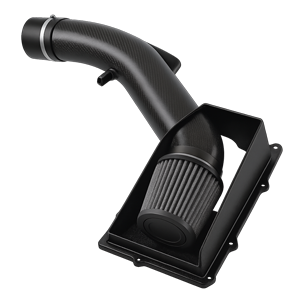
Dodge is all about big character and strong foundations, which makes them rewarding to tune. Their engines typically respond well to thoughtful breathing improvements, modern engine management calibration and more efficient fuelling, unlocking sharper throttle response and a more eager power delivery without ruining the car’s core personality.
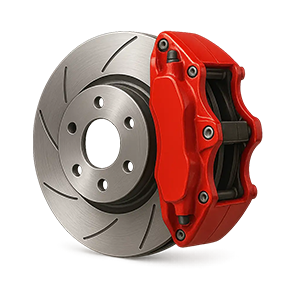
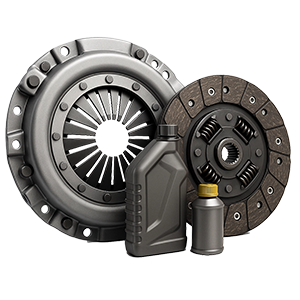
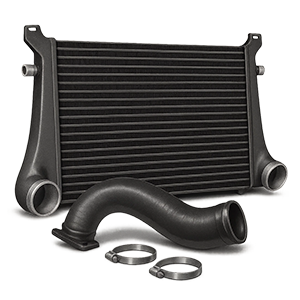
To make the most of extra power, supporting upgrades are essential. Stronger clutches, well-matched differentials and carefully chosen suspension components help put the performance down cleanly and keep the chassis composed. Upgraded cooling and braking systems add the durability and control needed for fast road or track use. Taken as a balanced package, Dodge tuning becomes less about chasing numbers and more about creating a harder-hitting, more engaging car that still feels cohesive and usable.
Dodge performance heritage and engineering philosophy centre on extracting accessible power from straightforward, often rugged hardware. From early hemispherical combustion chamber V8s to later big-blocks and supercharged units, Dodge engineers have tended to prioritise strong, understressed engines with a clear focus on torque and durability. Rather than chasing ultra-complex solutions, the brand has historically favoured robust architectures that accept higher loads, respond well to tuning and survive hard use, whether on the strip, oval or street.
Competition has been a constant influence. American stock car racing, drag racing and road course programmes all pushed Dodge towards heavy-duty bottom ends, efficient breathing and powertrains designed to cope with extended high-load running. Lessons from these environments filtered into production blocks, cylinder heads and driveline components. The result is a long line of engines and platforms that might not always be the lightest or most delicate, but are engineered with clear margins for stress, temperature and abuse.
This engineering attitude is exactly what keeps modern enthusiasts interested. Decisions made decades ago around block geometry, head design and drivetrain layout created platforms that still invite modification today. Stout castings, generous material around critical areas and relatively simple mechanical systems mean that owners can safely explore meaningful power gains with sensible supporting upgrades. For many people building a fast road or track car, the appeal lies in how much performance can be unlocked without fighting fragile components or overly complex electronics.
Across generations, Dodge has also tended to embrace dramatic character as part of its engineering brief. Large-capacity engines, assertive gearing and distinctive sound signatures are not accidental; they are designed-in traits that contribute to a specific driving feel. While modern regulations and technology have changed the details, the underlying philosophy remains familiar: strong mechanical foundations, bold power delivery and a willingness to prioritise driver sensation over clinical refinement.
Viewed over the long term, Dodge’s performance story is less about headline numbers and more about mechanical honesty. The brand’s most interesting cars are rarely subtle, but they are usually straightforward to understand, work on and evolve. For enthusiasts planning a long-term project, that combination of proven motorsport-influenced hardware, tuning headroom and clear engineering intent makes Dodge platforms an enduring base for serious performance builds.