







Legendary Brands. Serious Performance.
Caterham ownership is all about feel, feedback and extracting the most from a lightweight chassis, so the right performance parts make a real difference. From road-focused upgrades to serious track hardware, we’ve curated components that work. Choose your exact Caterham to see what fits and where you can take it next.
Fast Delivery & UK Stock
Epic Reward Points
0% RACE NOW, PAY LATER™
Expert Advice & Workshop
Caterham owners are usually tinkerers at heart, drawn to the stripped-back driving focus and the sense that the car is never truly “finished”. The appeal lies in tailoring response, feel and feedback to suit personal taste, whether for fast road or circuit use. It’s about refining a pure, mechanical experience rather than chasing numbers or fashionable trends.
Over time, Caterhams tend to evolve with their owners, becoming rolling projects that reflect changing skills and ambitions. Enthusiasts enjoy experimenting, learning and iterating, treating each adjustment as part of a long-term relationship with the car. The culture values craftsmanship, mechanical empathy and incremental improvement, with modification seen as a natural extension of attentive, hands-on ownership.
Caterham owners usually chase a more purposeful, motorsport-inspired look without losing the raw, pared-back character. It’s about tightening up the stance, dialling in a more aggressive attitude and letting the compact proportions do the talking, rather than trying to add bulk or drama.
Many go for subtle exterior tweaks that hint at track focus: bolder colour choices, cleaner lines and period-correct details that highlight the car’s heritage. Think sharper, not louder. The aim is to look fast even when parked, without straying into show-car territory.
Inside, personalisation tends to follow the same philosophy. Drivers refine the cockpit to feel more focused and intentional, with tactile finishes and minimal clutter. Everything is chosen to make the car feel like a tailored driving tool, not a fashion statement.
Our latest Caterham-focused blog pieces explore setup theory, component choices and real-world experiences, offering extra context behind the parts and how they work together. Use them as background insight into how incremental changes influence balance, feel and durability on road and track.

















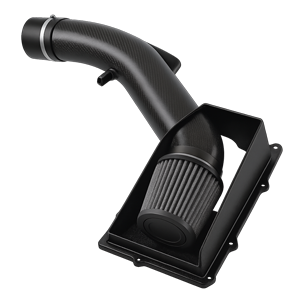
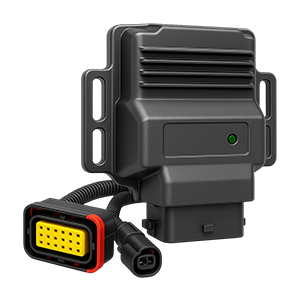
Caterham’s lightweight approach means even modest gains in power can feel transformative. Engine management, induction and exhaust upgrades can sharpen response and extend the usable rev range, while staying true to that mechanical, connected character that makes a Caterham so involving on road and circuit.
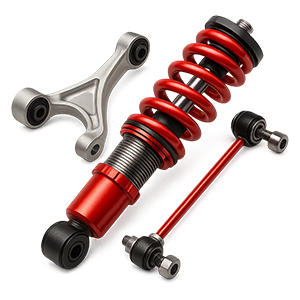
Because the chassis is so communicative, supporting mods are just as important as outright power. Thoughtful changes to suspension components, geometry and bushings can unlock more grip and stability without dulling feedback, keeping the car playful but predictable when you start leaning on it harder.
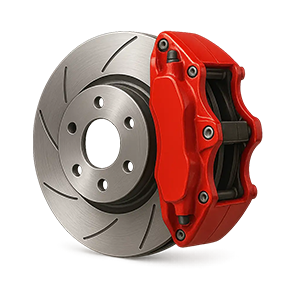
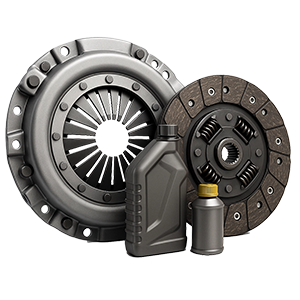
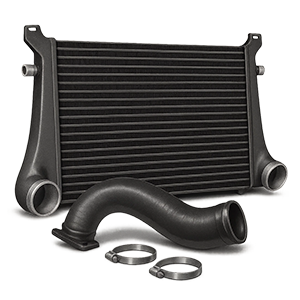
As output and corner speeds rise, braking, cooling and drivetrain improvements help maintain reliability and consistency. Upgraded clutches, differentials and brake hardware can handle repeated hard use, while improved cooling and lubrication management protect the engine during extended sessions, preserving the Caterham’s minimalist charm with a more focused edge.
Caterham’s performance story starts with one of the purest ideas in sports car history: a lightweight, front-engined, rear-drive chassis built around driver feel rather than outright numbers. Born from the Lotus Seven philosophy and then taken in its own direction, Caterham has spent decades refining a simple recipe instead of chasing fashion or luxury. The engineering focus has always sat firmly on low mass, rigid structures and mechanical honesty, creating cars that respond instantly to driver inputs and communicate grip, balance and weight transfer with unusual clarity.
Instead of layering on complexity, Caterham’s approach has been to strip everything back to what is essential for performance. That shows in the exposed chassis layout, minimal bodywork and straightforward mechanical components that can be understood, maintained and tuned by enthusiasts. Suspension geometry, weight distribution and steering feel are treated as core engineering priorities rather than afterthoughts. Power is important, but it is always secondary to the balance between engine output, gearing and the overall mass of the car, with the goal of exploitable performance rather than headline figures.
Motorsport has been a constant proving ground. Caterham one-make series and grassroots racing have fed directly into chassis tuning, brake specification and durability decisions. Feedback from club racers and trackday drivers has helped shape incremental updates over time, from roll cage design and pedal box layout to cooling and fuelling solutions that stand up to sustained circuit use. This loop between circuit and road has kept even the most road‑oriented versions aligned with the demands of serious track driving.
Those early engineering choices continue to resonate with modern enthusiasts who prioritise connection over complexity. While many performance cars have grown heavier and more insulated, Caterham has doubled down on tactility and feedback, keeping its core architecture and philosophy intact. The attraction today is much the same as it was decades ago: a focus on lightness, simple mechanicals and an unfiltered driving experience that rewards skill and mechanical sympathy, and remains relevant regardless of changing trends or technologies.