







Legendary Brands. Serious Performance.
Alpine builds cars for drivers who care about feel, balance and response, so it makes sense to choose upgrades that respect that character. Here you’ll find performance-focused parts tailored across the Alpine range, from chassis to powertrain. Select your exact vehicle to refine everything to your car’s needs and next steps.
Fast Delivery & UK Stock
Epic Reward Points
0% RACE NOW, PAY LATER™
Expert Advice & Workshop
Alpine sits in a sweet spot for enthusiasts who want something focused and characterful without shouting about it. Owners are often drawn to the balance and feedback, then start chasing more involvement, feel and precision rather than headline numbers. The appeal is in fine-tuning an already sharp tool, keeping the brand’s lightweight, driver-first ethos intact while making the car more personal.
For many, an Alpine becomes a long-term project rather than a quick fix. The brand’s motorsport heritage encourages a methodical approach, where each change is considered in terms of purity, response and connection. It attracts drivers who enjoy the process as much as the result, slowly evolving their car into a bespoke expression of their own taste and ability.
Alpine styling is all about lightweight purpose and discreet theatre. Most owners aim for a factory-plus look, tightening the stance visually and letting the trademark lines breathe. Clean, uninterrupted surfaces tend to win over clutter, keeping that classic French sports car elegance intact.
Subtle motorsport cues are popular, inspired by Alpine’s rally and circuit heritage rather than show-car culture. Thoughtful colour accents, refined contrast details and understated tweaks to the overall silhouette are favoured over anything loud. The goal is a car that looks like a more focused, more personal interpretation of what left the factory, not a reinvention.
Our Alpine-focused blog content explores the thinking behind key engineering choices, tuning approaches and ownership experiences, offering balanced insight to help enthusiasts understand how different upgrades influence character, reliability and performance across the brand’s evolving line-up.
















Alpine’s lightweight, agile platforms respond well to considered performance upgrades. Gentle increases in power, paired with attention to drivability and response, can enhance the car’s character without overwhelming its finely judged chassis.
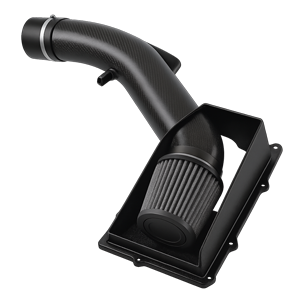
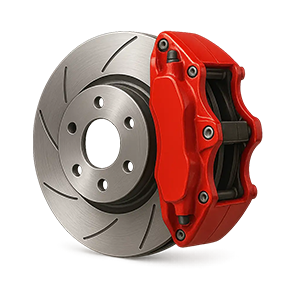
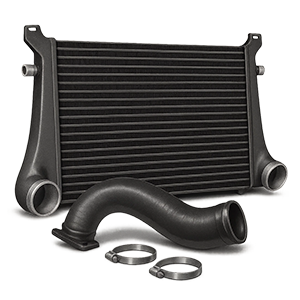
Software calibration, intake and exhaust improvements, plus optimised cooling can unlock a more eager power delivery. To keep everything cohesive, it pays to match these gains with supporting upgrades such as improved braking, suspension refinement and suitable tyres.
The real potential with Alpine is not chasing headline numbers, but sharpening the whole package: stronger mid-range, cleaner throttle response and a chassis that remains composed and communicative on road or track.
Alpine has always approached performance from the angle of lightness, balance and driver involvement rather than brute power. Born in the era when rally stages were narrow and unforgiving, the brand’s early cars relied on clever packaging, low mass and responsive chassis tuning to gain an edge. That philosophy created a reputation for agile, communicative sports cars that rewarded precise inputs and punished clumsy ones, shaping how enthusiasts still define an “Alpine feel” today.
Motorsport has been the main proving ground for Alpine’s ideas. From tarmac rallying to endurance racing, the brand used competition to refine weight distribution, suspension geometry and aerodynamics in real conditions, then folded those lessons back into its road cars. Durability and consistency over long stages or long-distance races mattered as much as outright pace, leading to an emphasis on predictable handling, efficient cooling and robust mechanical layouts rather than headline-grabbing outputs.
At the heart of Alpine’s engineering mindset is the pursuit of efficiency in every component. Chassis engineers have traditionally focused on keeping unsprung mass low, optimising steering feel and allowing the suspension to work cleanly over imperfect roads. Powertrains have typically been compact and responsive, chosen as much for their integration with the chassis as for their performance on paper. This joined-up approach means an Alpine rarely feels like a collection of parts; it feels like a single, coherent tool aimed at making the most of a twisting road.
Those early decisions around lightness and tactile feedback are exactly what draws modern enthusiasts toward Alpine today. In a landscape filled with heavy, over-assisted performance cars, the brand’s historic commitment to modest power, low weight and clear communication through the controls has fresh appeal. Drivers who value precision over spectacle recognise the lineage between classic rally-bred Alpines and the brand’s current machines, where the same priorities of agility, composure and involvement still sit above raw numbers.
Looking forward, Alpine’s challenge is to carry that character into new technologies without losing the traits that defined it. Whether the power source is traditional or electrified, the core brief remains the same: keep the car as light as practical, preserve steering clarity, and maintain a chassis that responds faithfully to small inputs. For enthusiasts, this continuity of purpose is a big part of the brand’s long-term appeal, promising that future Alpines will still feel like driver’s cars first and foremost.