










Legendary Brands. Serious Performance.
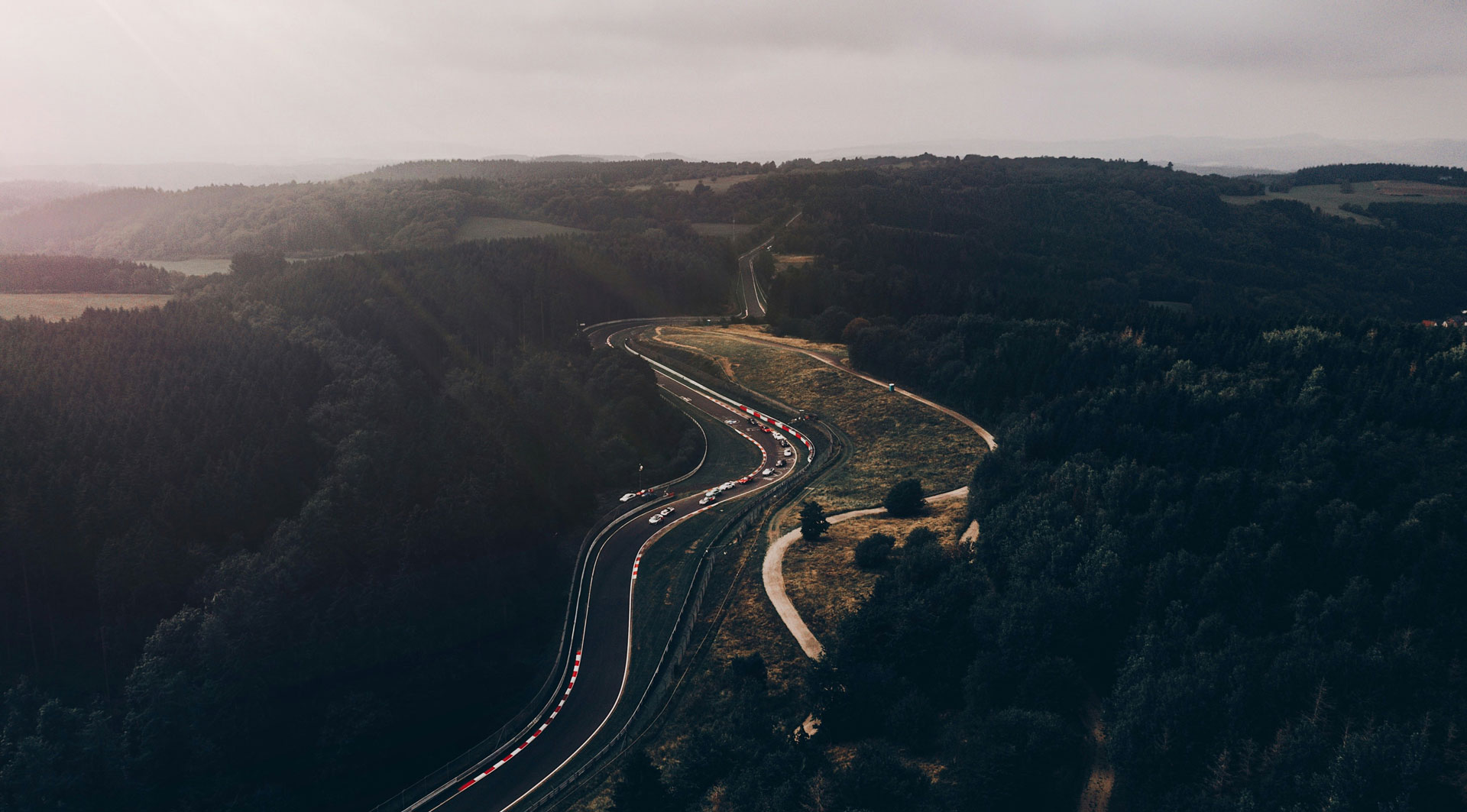
Find compatible performance parts for the Porsche 911 997, from ultimate styling modifications and power gaining hardware to handling upgrades from the world's leading performance brands.
112 parts available for the 911 997.
Find your game changer...
TABLE OF CONTENTS
Fast Delivery & UK Stock
Epic Reward Points
0% RACE NOW, PAY LATER™
Expert Advice & Workshop
The Porsche 911 997 is a sweet spot in the 911 family, blending classic shape with modern tech and proper driver feel. Launched in the mid-2000s, it brought the 911 back to its iconic round headlamps and sharp, analogue feedback that enthusiasts love. Whether you are in a Carrera, Turbo or GT3, the 997 platform responds brilliantly to sensible tuning and performance upgrades. From fast-road builds to full track toys, it is a favourite in club motorsport, time attack and serious road car projects.
The usual first mods for a Porsche 911 997 are a performance exhaust, panel filter or intake upgrade, and an ECU remap. These tuning parts wake the car up nicely, giving sharper throttle response, a bit more horsepower and torque, and a much more involving soundtrack without ruining daily manners. Many owners also go for upgraded suspension components and better brake pads early on, for tighter handling and more confidence on fast road or occasional track use. From there, the tuning journey gets more serious. On turbo models, uprated intercoolers, freer flowing downpipes and bigger turbos can deliver strong, reliable power gains when matched with proper mapping and fuelling upgrades. On naturally aspirated 997s, things like exhaust manifolds, lightweight flywheels and cams offer worthwhile performance enhancements, especially when combined. Whichever route you take, the 997 responds well to sensible, well chosen mods that keep it feeling OEM+ rather than overdone.
The Porsche 911 997 is brilliantly supported in the aftermarket scene, with a wide range of trusted tuning brands covering everything from exhausts and intakes to suspension, braking and styling. Explore quality performance parts from leading names below.


















Transform your Porsche 911 997 with exterior styling upgrades that sharpen its presence on the road, from subtle aero tweaks to full-on track-inspired looks. Explore body kits, spoilers, splitters, diffusers, custom grilles and other visual mods to give your 997 a more unique, aggressive and performance-focused appearance.
The 911 997 is a fantastic starting point, but it still responds really well to some thoughtful handling mods. Begin with premium performance tyres, a proper geometry setup and uprated brake pads with high temperature fluid. That alone sharpens steering feel, improves grip in wet and dry, and gives much more confidence under hard braking on road or track. Next, look at suspension tuning. Quality lowering springs or height adjustable coilovers paired with better dampers reduce body roll and make the 997 feel tighter on turn in, without ruining ride comfort if you pick sensible spring rates. Many 997s can feel a bit safe and understeery from the factory, so stiffer anti roll bars, fresh bushings and bracing help balance the chassis and calm the rear engine wiggle over bumps. For harder use, a big brake kit and more track focused rubber transform consistency and stopping power. Done in stages, each upgrade brings a clear step in agility, stability and mid corner confidence, making your Porsche 911 997 feel more precise and more fun every time you push on.
The sweet spot for first mods on a Porsche 911 997 is usually an upgraded exhaust, a quality panel filter or intake kit, and fresh performance brakes. A cat-back exhaust wakes up the sound, trims a bit of weight and can support later tuning, while a good intake helps throttle response without going over the top.
Next, look at suspension and bushes. A mild drop on quality springs or coilovers, plus fresh arms and geometry, can transform how the 997 turns in and grips without ruining daily comfort. Many owners see chassis and braking upgrades as a bigger real-world performance gain than chasing peak horsepower figures straight away.
It depends whether you have a naturally aspirated Carrera or a turbocharged 997 Turbo. A remap on a NA Carrera or C2S typically gives a small but noticeable bump in power and sharper throttle response, especially when combined with a freer flowing intake and exhaust. Think of it as refining the delivery rather than a night-and-day jump in horsepower.
On a 997 Turbo, an ECU remap is much more rewarding. With supporting mods like uprated intercoolers, a sports exhaust and intake, you can see very healthy gains in both horsepower and torque on sensible boost levels. We always recommend pairing the tune with proper cooling and fresh servicing so the extra performance is reliable and repeatable.
Done properly, with quality performance parts and a conservative map, most 997s cope well with modest upgrades. The key is to respect the age of the car, keep on top of servicing and avoid chasing headline dyno numbers at the expense of safety margins. Regular oil changes, good fuel and keeping cooling systems in top shape are essential.
On turbo cars, managing heat is critical. Uprated intercoolers, fresh ignition components and sensible boost targets help protect the engine and turbos. On NA cars, focus on clean air and oil, and avoid poor quality bolt‑ons. If in doubt, build a package around reliability first, then add more aggressive tuning once the foundations are sorted.
For entry level upgrades like a panel filter, cat-back exhaust and braided brake lines, you are typically into the low four-figure range including fitting, depending on brands. This stage gives you better sound, sharper braking and a nicer driving feel without going deep into the car.
A more serious package, for example full exhaust with sports cats, performance intake, ECU remap, uprated pads and springs or coilovers, moves into the mid to higher four-figure territory. Proper turbo tuning with intercoolers, fuel system upgrades and clutch (where needed) can head into five figures, especially if you are chasing track-ready power with premium hardware.
Most 997s run staggered fitment as standard, with 18 or 19 inch alloys. You can usually go a little wider on both rims and tyres for more grip, as long as offsets and tyre profiles are chosen carefully. Many owners like 19 inch wheels for the balance of looks and performance, while some track drivers prefer 18s for tyre choice and ride.
If you are lowering the car, correct offset becomes even more important to avoid rubbing under load. Aim for quality lightweight wheels, good tyres and a proper alignment rather than the absolute widest setup you can squeeze under the arches. We can advise on proven Porsche 997 fitments so you get the stance you want without compromising drivability.
For mixed road and track use, start with brakes and suspension. Uprated pads, performance brake fluid and braided hoses offer a big improvement in pedal feel and fade resistance. If your discs are tired, quality replacement or mildly uprated discs are well worth it.
On the chassis side, decent coilovers or sport springs with matching dampers, plus fresh bushes and a proper geometry setup, will give you much more confidence at speed. A good set of performance tyres and a safe alignment are usually more valuable on track than chasing an extra 10 horsepower from engine tuning alone.
Sports cat-back systems are a great middle ground, they add a deeper tone and more character without constant drone. Many Porsche 911 997 owners choose systems with resonators or switchable valves so they can keep things civil on the motorway but open it up when they want more noise.
If you go for de-cats or very aggressive race-style exhausts, volume and emissions can become an issue for MOT and long journeys. For a road-driven 997, we normally recommend high-flow sports cats and a well-designed performance exhaust. You still get a noticeable improvement in sound and response while keeping it liveable and more MOT friendly.
You've landed on a page designed for the Porsche 911 997 generic platform. Use the vehicle lookup system to refine your search to a specific variant & spec.
The Porsche 911 997 is a cracking base car, with strong engines, a great chassis and that classic rear engined character that makes it feel alive on the road. Even in stock form it has a balance of pace, comfort and usability that many newer cars struggle to match. Its weaknesses are well known in workshop circles though, from slightly soft suspension on the road cars to heat management and brake fade when you start pushing on. That is exactly where sensible performance parts and motorsport inspired upgrades come into play, turning a good 997 into a properly sorted driver’s car. With the right engine mods, from freer flowing exhaust systems and manifolds to intake and ECU tuning, you can unlock a healthier powerband and sharper throttle response without wrecking reliability. Uprated radiators, coolant pipe solutions and improved oil cooling help keep temperatures under control on fast road and track use. On the drivetrain side, stronger clutches and flywheels cope better with extra torque and more spirited driving, while still behaving themselves in traffic if you pick the right combo. It is all about choosing upgrades that work together rather than just chasing numbers. Where the 997 really comes alive is in the chassis tuning. Quality coilovers or sport springs, fresh arms and bushes, and a proper geometry setup transform turn in and confidence without making the car unusable on British roads. Better pads, braided lines and track focused brake fluid give you more consistent stopping power, and a smart wheel and tyre package adds grip and steering feel. Add in subtle styling tweaks, aero pieces and interior upgrades and you end up with a Porsche 911 997 that looks sharper, drives harder and still does the daily commute. Build it thoughtfully, and you will have a 997 that feels genuinely personal, and rewards you every time you turn the key.